How Grab Lorries Support Construction Projects
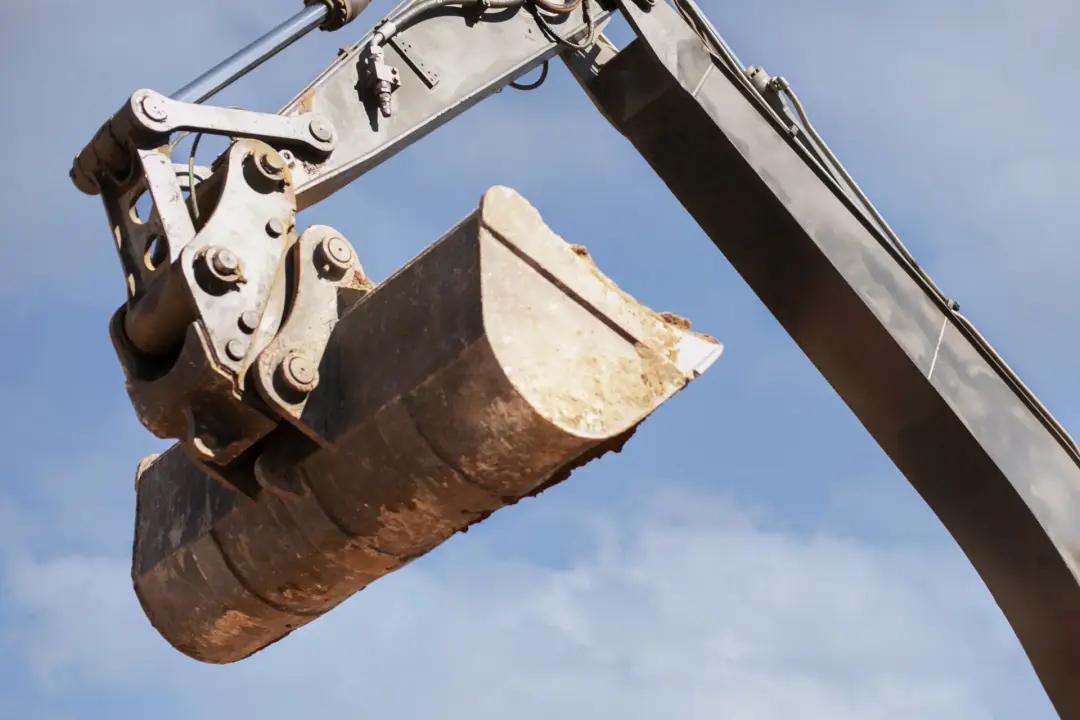
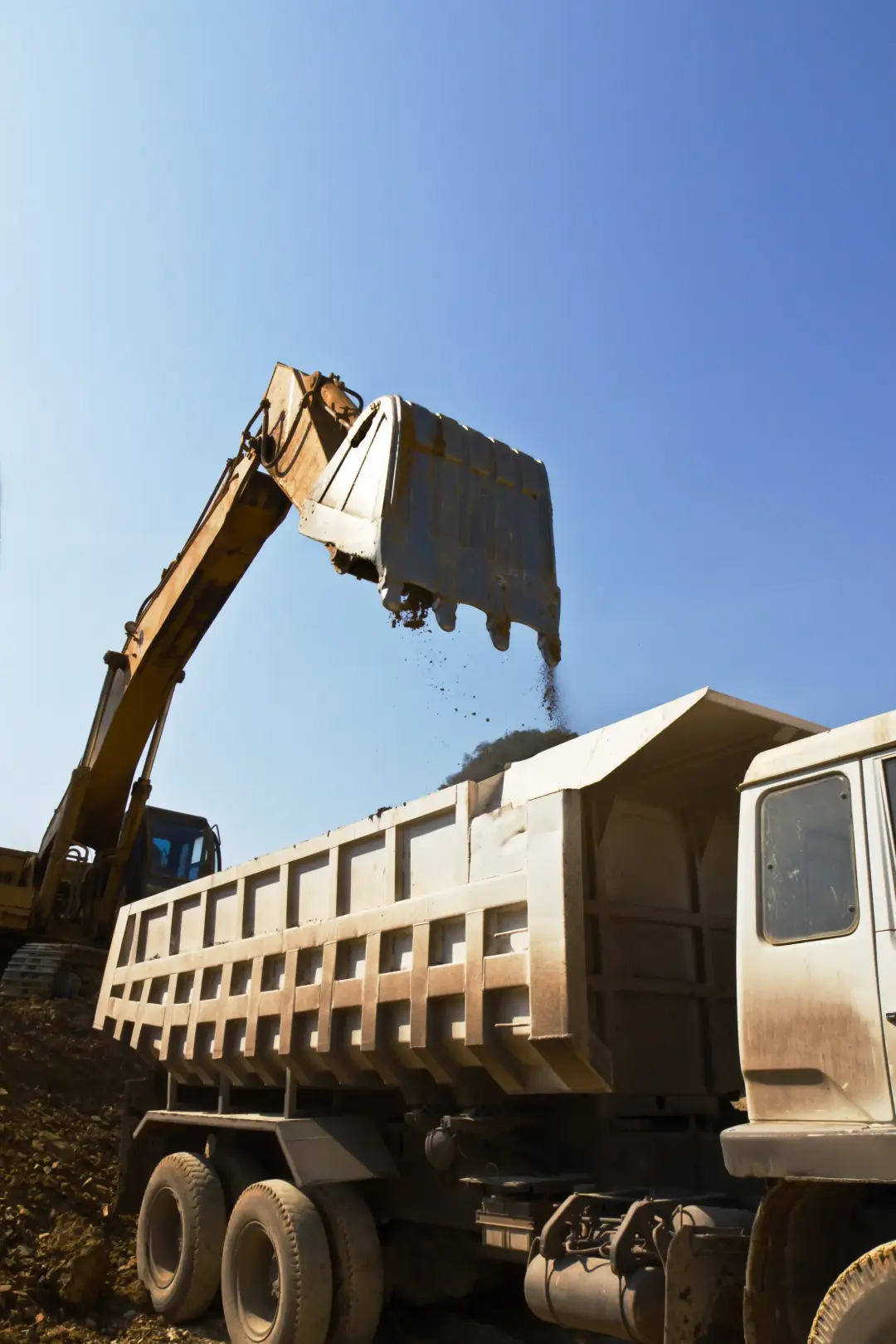
Grab lorries support construction projects by providing a direct way to remove heavy, loose materials. Their hydraulic arms lift waste from the ground and place it into the vehicle. This makes them useful during excavation, demolition, renovation and general building work.
Collections can be arranged around the construction programme, as to not disrupt the project while in motion. A lorry may remove soil after foundations are dug, collect rubble after walls are taken down or clear broken paving before external works begin. Each visit prepares the area for the next stage.
The vehicle can also support material deliveries. Depending on the service offered, it may bring aggregates, sand or other loose building materials before taking suitable waste away. Combining collection and delivery can limit the number of separate vehicle visits required.
This flexibility makes grab lorries useful throughout a project rather than only at the end. By removing materials at planned points, the service helps protect working space, keeps routes open and reduces the chance that waste will interfere with workers, machinery or scheduled deliveries.
Faster Removal of Building Waste
Building waste can accumulate rapidly, especially during demolition or structural work. A hydraulic grab removes material in larger amounts than workers using shovels and wheelbarrows. This allows substantial piles of bricks, concrete and soil to be cleared during a planned collection.
Faster removal helps when one stage depends on another. Groundworkers may need excavated soil removed before concrete arrives, or builders may need rubble cleared before new walls can be set out. A slow loading process could delay several later activities that need to be carried out to specific deadlines.
The lorry’s driver manages the mechanical loading, so the site team does not need to stop work for a long manual loading session. Workers may prepare the pile and loading zone beforehand, then return to their main tasks while the collection takes place.
Good preparation is a great way to improve the collection speed even further. Waste should always be sorted, placed within reach and kept clear of unsuitable items. Access routes should be open before the vehicle arrives. When these conditions are met, the driver can focus on loading rather than waiting for obstructions to be moved.
Reduced Need for Manual Loading
Manually filling a skip with construction waste can be physically demanding. Workers may need to lift bricks, shovel soil and push heavily loaded wheelbarrows across uneven ground. These repeated actions take time and can cause tiredness during an already demanding project.
A grab lorry’s hydraulic arm handles most of the lifting. The bucket closes around loose waste, raises it and deposits it inside the vehicle. One movement can collect far more material than a worker could safely carry or shovel by hand.

Some preparation is still required. Waste should be moved into a suitable pile, and materials that cannot be accepted must be removed. However, the workforce does not normally need to lift the entire load over the side of a skip or into a vehicle.
Reducing manual loading can also improve how labour is used. Skilled tradespeople can continue with building, fitting or finishing work rather than spending hours moving waste. This is particularly helpful when deadlines are tight or when only a small team is available on site.
Easy Collection of Soil, Rubble and Hardcore
Soil, rubble and hardcore are common on construction sites and are well suited to grab loading. They can be stored loose in a prepared area, allowing the bucket to collect them directly. No bags or containers are usually needed for ordinary, approved loads.
Excavated soil may come from foundations, drainage work, trenches or landscaping. Rubble may include bricks, blocks, concrete and roof tiles. Hardcore typically includes solid mineral material that can potentially be crushed and used again in construction.
Keeping these materials separate from general rubbish makes collection easier. Timber, plasterboard, insulation, plastics and packaging may affect where the load can be taken. Clean, well-sorted material is simpler to identify and may offer more opportunities for recovery.
The provider must be informed if soil may be contaminated or if the pile contains hazardous substances. Testing or specialist collection may be needed in some cases. Giving accurate details before the visit prevents unsuitable waste from being loaded and protects everyone involved in handling it.
Reaching Waste Over Walls and Fences
Building waste is not always stored beside an open road. It may be inside a fenced site, behind a boundary wall or within a front garden. The grab arm can often reach over these obstacles, allowing collection without creating a direct vehicle route to the pile.
This is useful on urban projects where access is narrow. Driving a large vehicle into the site may be impossible, while carrying waste through a property could cause damage or disruption. Positioning the lorry outside and reaching over a boundary may provide a practical alternative.
The arm’s reach depends on the vehicle and site conditions. The provider must consider the distance to the pile, the height of the barrier and the weight being lifted. The driver also needs a clear view and enough overhead space to operate safely.
Waste should be positioned with collection in mind. It may need to be close to the boundary but should not press against a weak wall or fence. Discussing measurements and sending photographs before booking helps confirm whether the grab can reach the material safely without causing destructions.
Removing Large Volumes in One Visit
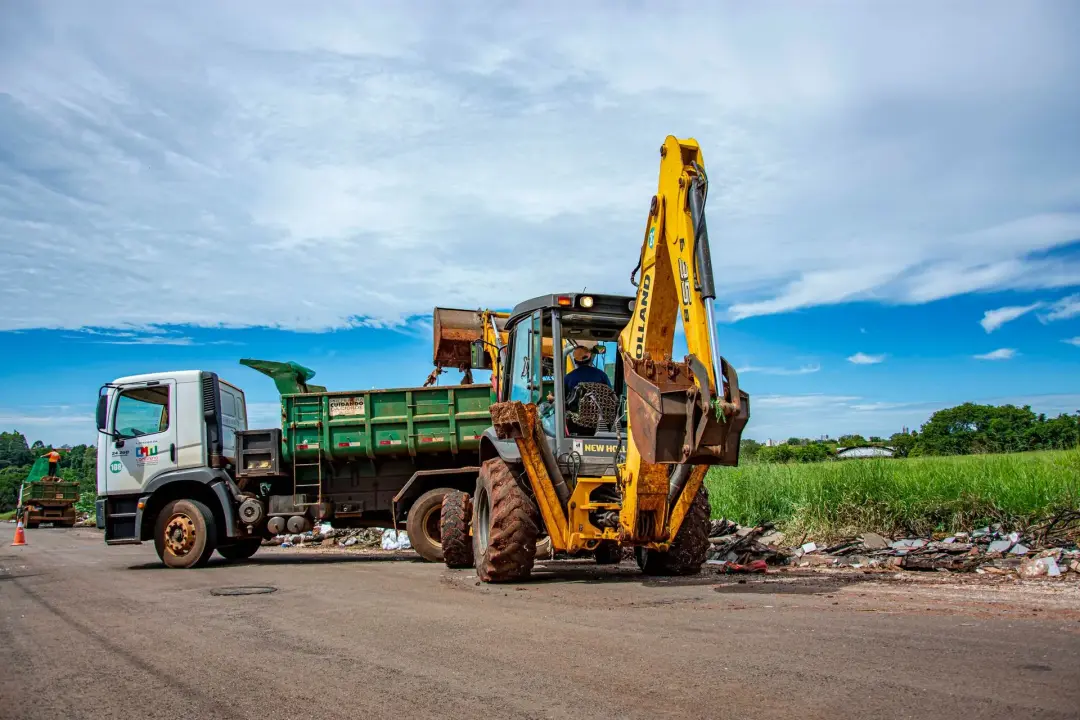
Construction projects can produce far more waste than smaller domestic jobs. Grab lorries are designed to carry large loads, allowing a significant amount of loose material to be removed during one collection. This can be more practical than arranging several small containers.
Fewer collections may are the best way to decrease the traffic movement around the site, and this is why should be organised to make it so that less visits are needed. Each vehicle visit requires access, supervision and space, so reducing the total number can make the project easier to coordinate. This is valuable where delivery times are controlled or nearby roads are busy.
Capacity is limited by weight as well as body size. Wet soil, clay and concrete are dense, so the lorry may reach its maximum safe weight before the body appears full. Lighter materials may fill the available space first.
The contractor should provide an honest estimate of the waste volume and type. Measurements, photographs and information about moisture can help the provider plan the correct number of vehicles.
Accurate planning reduces the chance of waste being left behind unexpectedly.
Keeping Construction Sites Clear and Organised
A clear site gives workers more room to complete their tasks. Waste piles can occupy areas needed for storage, machinery or deliveries. Arranging grab collections at suitable stages prevents unwanted materials from taking over limited working space.
Separating waste into planned zones also improves organisation. Soil can be kept apart from rubble, while timber, metal and packaging can be placed in their own areas. This makes each collection easier and reduces accidental mixing of different materials.
Clear routes are important for deliveries and emergency access. Vehicles should be able to enter, turn and leave without passing around unstable waste piles. Workers also need safe paths between buildings, equipment and welfare areas.
Site managers can include waste removal in the work programme rather than treating it as a final task. Regular reviews of stored materials help identify when a collection is needed. This approach keeps the site controlled and supports steady progress from one construction stage to the next.
Improving Safety Around the Site
Loose construction waste can create several risks. Sharp rubble may cause cuts, uneven piles may collapse and materials left in walkways may lead to trips. Removing waste promptly reduces the number of hazards workers must avoid during daily activities.
Mechanical loading also reduces direct contact with heavy material. Workers do not need to lift every piece of concrete or move every barrow of soil. This can lower physical strain and reduce the time people spend close to unstable piles.
The loading operation must still be managed carefully. The area around the grab arm should be kept clear, and no one should stand beneath a raised load. The vehicle must be positioned on suitable ground with enough space for safe movement.
Site teams should follow the driver’s instructions throughout loading. Overhead cables, scaffolding, parked vehicles and nearby members of the public may need special controls. A planned collection area and clear communication allow the lorry to operate without creating new hazards.
Saving Time During Busy Projects
Construction programmes often involve several trades working to fixed dates. Waste removal can become a problem when it is left until the site is already crowded. Grab lorry hire provides a planned method of clearing materials without a long manual loading operation.
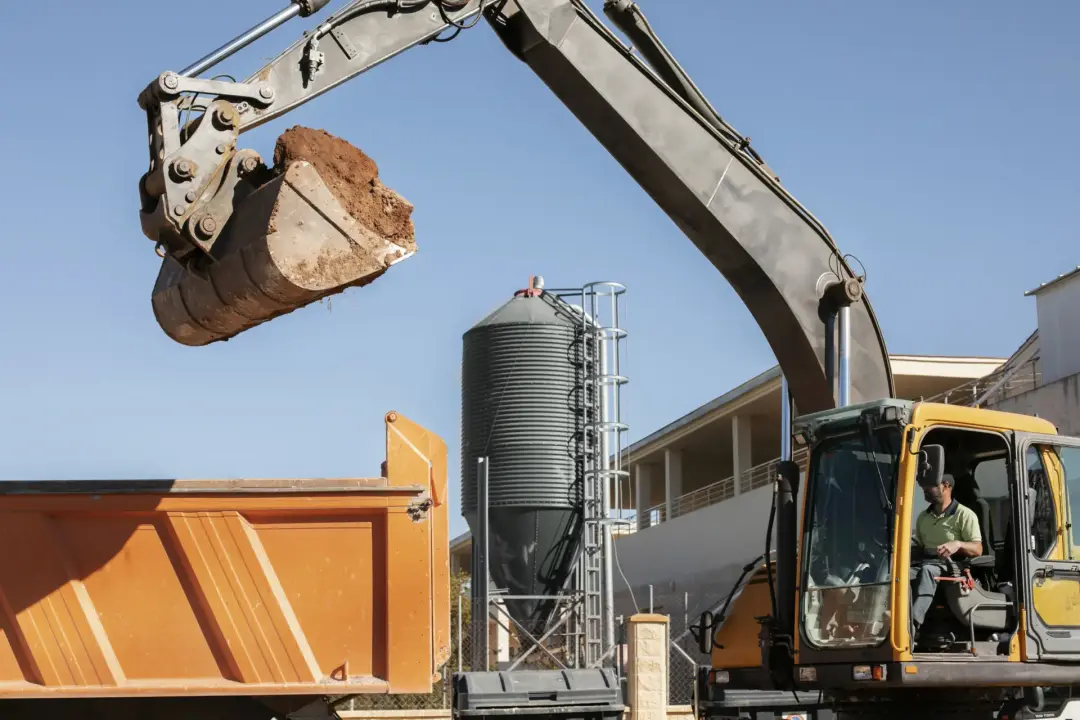
The hydraulic arm speeds up the loading stage, while the large body allows a sizeable amount to leave in one visit. This reduces the time spent moving waste from one temporary location to another or filling several small containers.
Time can also be saved during project planning. The contractor can arrange collections after known activities, such as excavation or demolition.
Waste leaves shortly after it is produced, reducing the need to manage it for the rest of the project.
A reliable collection still depends on preparation. Access must be available, the pile must be ready and prohibited items must be removed.
When these details are managed in advance, the lorry can arrive, load and leave with limited interruption to the working day.
Reducing Labour Costs
Manual waste loading uses paid working hours that could be spent on construction. Several workers may be needed to fill a skip with soil or rubble, particularly when the pile is some distance away. The total labour cost can grow quickly on larger projects.
A grab lorry reduces this requirement by using mechanical lifting. The driver operates the arm, and site workers mainly prepare the waste and control the area. This may remove the need for a large loading team during collection.
The service can also reduce the need to hire separate loading equipment. A digger or loader may be unnecessary when the grab can reach and lift the pile directly. This avoids additional delivery, collection, fuel and operator arrangements.
Costs should be considered across the whole task rather than by comparing collection prices alone. A service that appears more expensive per visit may save money by reducing labour, equipment hire and delays. The best choice depends on waste type, volume, access and the project programme.
Grab Lorry Hire vs Skip Hire
Skip hire is useful when waste is produced gradually and workers need a container available over time. The skip remains on site while it is filled. This can suit smaller works, provided there is enough space and the team can load it safely.
Grab lorry hire is usually much more suitable when a loose pile is ready for removal. The vehicle loads the material itself and leaves after collection. This avoids keeping a container on site and reduces the need for workers to lift heavy waste.
The difference is especially important when it comes to soil and rubble. Filling a skip with dense material may take many hours, while a grab arm can collect the same pile much faster. The lorry may also reach over a boundary that prevents direct skip placement.
Road permits may affect the decision. A skip placed on a public road in England or Wales generally needs local council approval. A grab lorry normally stops only during collection, although parking limits and highway controls must still be checked.
Fewer Permit Requirements
A grab lorry does not normally remain at the construction site. It arrives, completes the loading process and leaves with the waste. Because there is no container stored on the road, a skip permit is often unnecessary.
This can make planning easier where private space is limited. A skip placed on the public highway may require an application, safety markings, lights or other controls. These arrangements may add cost and require approval before the container can be delivered.

Grab lorry access must still follow local rules. The vehicle cannot block traffic unlawfully or operate where loading restrictions prevent it. Busy roads may require a parking suspension, traffic control or collection outside the busiest period.
The contractor should make a point of discussing road conditions with the hire provider before booking. Local councils may apply different controls, so assumptions should be avoided.
Early checks help confirm whether any approval is required and prevent the vehicle from arriving at an unsuitable location.
Flexible Collection for Different Project Stages
Construction waste is rarely produced at a single point. Excavation creates soil early in the project, structural changes produce rubble later, and external work may create further spoil near completion. Grab lorry collections can be arranged around each stage.
This staged approach prevents different materials from becoming mixed. Soil can be collected before demolition waste is added to the same area. Later, clean rubble may be removed separately from timber, plasterboard and general site rubbish.
Flexible timing can also protect working space. There may be no reason to leave a large soil pile on site once groundwork is finished. Removing it promptly creates room for scaffolding, storage, parking or later deliveries.
Project managers should monitor expected waste volumes when planning each stage. Booking too early may result in a small, less efficient load, while booking too late may allow waste to block progress. Coordinating collections with the programme creates a steadier and more controlled workflow.
Delivery of Aggregates and Building Materials
Some grab lorry providers can deliver loose materials as well as collect waste. Common deliveries may include sand, gravel, crushed concrete, topsoil and other aggregates. These materials can be tipped at an agreed point or placed more carefully using the grab arm.
Combining services is a good way of reducing vehicle movements. A lorry may arrive with a required material and later remove a suitable waste load, depending on the provider’s arrangements and waste rules. This can also simplify booking and eliminate the possibility for disruptions around the site.
Grab placement can be useful in areas where ordinary tipping is unsuitable. The arm may position material over a low wall or closer to a working area. This can reduce the distance workers or machines need to move it after delivery.
The delivery area must be prepared in advance. It should have enough space for the material and should not block access, drainage or public routes. Contractors should confirm the type, quantity and grading required so the correct product is delivered for the intended construction task.
Supporting Demolition and Groundwork Projects
Demolition creates dense, irregular waste, including bricks, concrete, blocks and roof tiles. Groundwork produces soil, clay, stone and broken surfaces, and grab lorries are well suited to both activities because their buckets can collect loose heavy material directly.
During demolition, prompt collection prevents rubble from spreading across the site. Waste can be gathered into a controlled pile and removed once it reaches a practical size. Sorting metal, timber and specialist waste separately keeps the grab load easier to process.
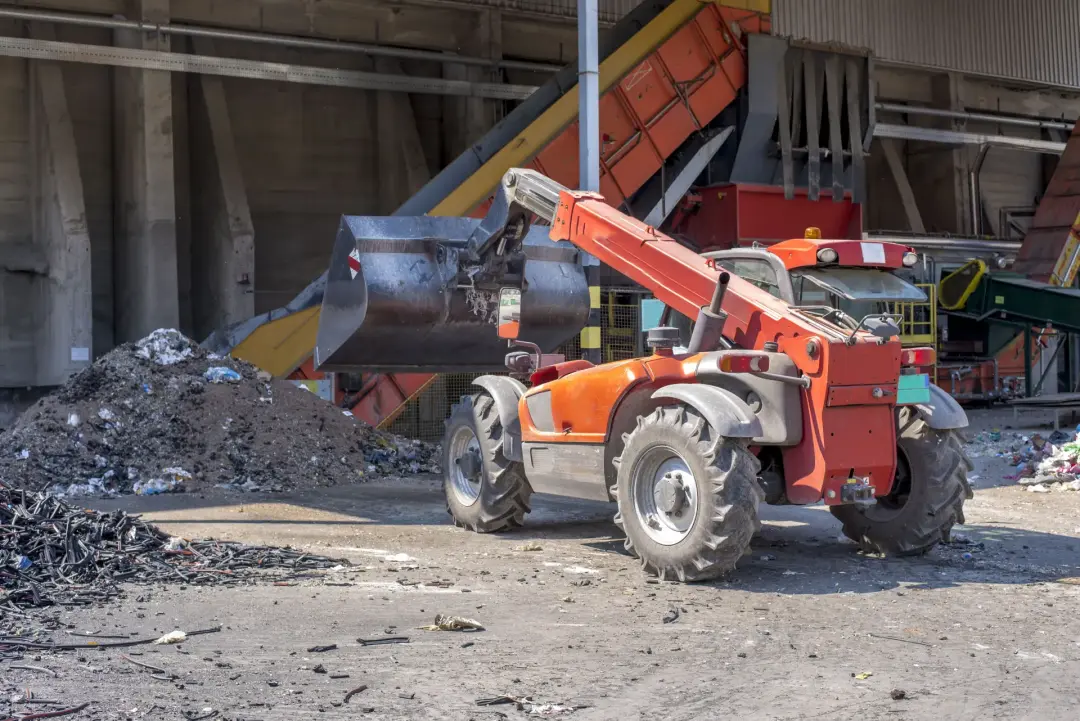
Groundwork tends to follow a strict order. Excavated material may need to leave before any reinforcement, drainage or concrete work can begin. A planned collection allows the working area to be cleared without waiting for workers to load a container manually.
Site teams should identify hidden hazards before the lorry arrives. Rubble may contain sharp metal, pipes or unsuitable materials, while excavated soil could be contaminated.
Accurate information protects the driver, the receiving facility and the contractor responsible for the waste.
Suitable for Small and Large Construction Sites
Grab lorries are not limited to major developments. A small extension, driveway replacement or property renovation may produce enough soil or rubble to justify mechanical collection. The service can remove the pile quickly without requiring permanent waste storage.
On larger sites, grab lorries may support repeated collections throughout the programme. Different vehicles or load arrangements can be used as waste volumes change. Collections may be coordinated alongside demolition teams, groundworkers and material deliveries.
The main requirement is suitable access rather than project size. A small site with a clear roadside pile may be easier to serve than a much larger site with a series of narrow entrances and overhead restrictions. Each location should be assessed individually.
Hiring the correct vehicle is important. Providers may offer different body sizes and arm reaches. Sharing site plans, photographs and estimated waste quantities helps match the service to the job. This is the best way to avoid any unnecessary costs and reduces the risk of access problems on collection day.
Helping Projects Stay on Schedule
Waste can delay construction when it blocks the next working area or prevents materials from being delivered. A scheduled grab collection removes this obstruction and prepares the site for following activities. Doing so will help maintain the planned sequence of work.
Mechanical loading shortens the removal process. The site team does not need to spend a full day filling a skip before another task can begin. The lorry can collect the prepared pile while workers focus on separate areas.
Standard removal also limits unexpected problems. Large waste piles are more difficult to move and may contain mixed materials that require extra sorting. Smaller, planned collections make it easier to control what leaves the site at each stage.
To support the programme, bookings should allow for access, estimated volume and possible changes in the work. Clear communication with the provider is essential. When collection dates reflect actual progress, grab lorry hire can help the project move forward without avoidable waste-related delays.
Responsible Waste Disposal
Construction waste should be handled by an authorised business and taken to an appropriate facility. In England, companies that transport waste as part of their business normally need to register with the Environment Agency. Customers can check the carrier’s details on the public register.
The waste producer must describe the load accurately. A pile listed as clean soil should not contain asbestos, oils, chemicals or mixed rubbish. Incorrect descriptions can create safety problems and may lead to the load being rejected.
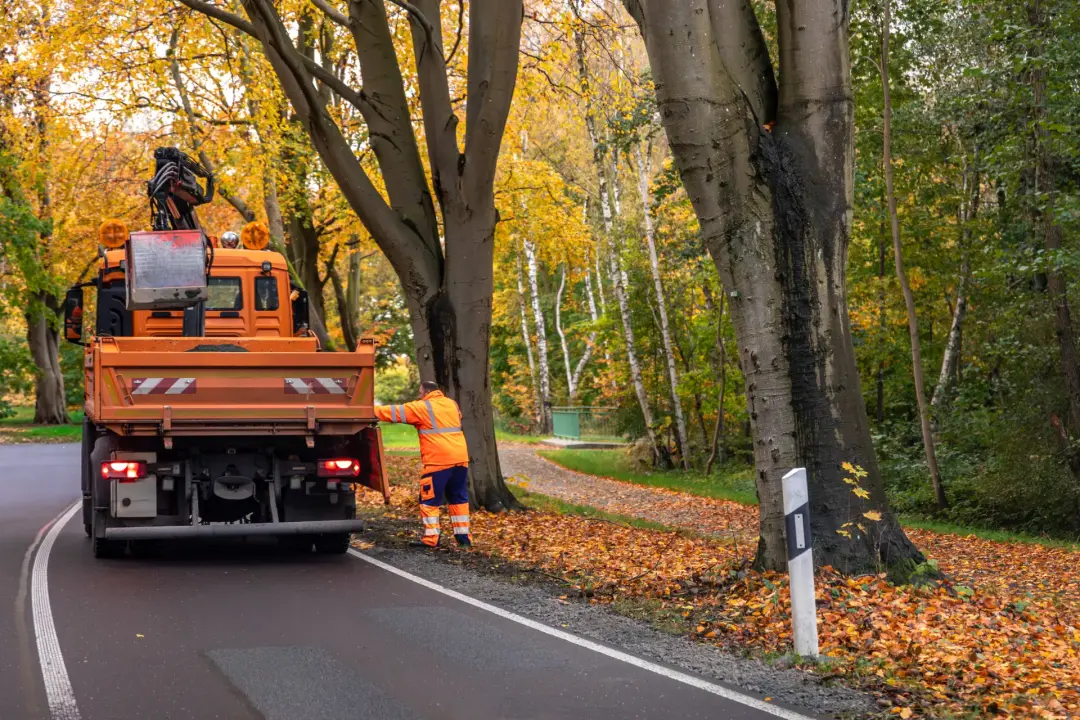
Waste transfer records provide details about the material, the parties involved and the collection. Businesses must make sure that waste is passed to an authorised person and that the required information is recorded.
Responsible disposal also includes considering recovery and recycling. Clean soil, concrete, bricks and hardcore may be processed or reused where suitable.
Separating materials at the site makes this easier and reduces the amount of mixed waste sent for final disposal.
Access Requirements for Grab Lorries
Grab lorries need a route that is wide, firm and clear enough for a heavy vehicle. Narrow gates, tight corners, parked cars and weak surfaces may prevent access. The provider should receive full details before the collection is confirmed.
The hydraulic arm also requires overhead space. Power cables, branches, scaffolding, signs and building edges can limit movement. The lorry should never be positioned where the arm or raised load could come into contact with overhead services.
The waste pile must be within reach from a safe parking position. The driver needs room to deploy the arm without blocking workers or placing the public at risk. Barriers may be necessary to keep people away during loading.
Photographs and measurements are useful when access is uncertain. They allow the provider to assess road width, pile location and possible obstacles. Preparing the route, moving vehicles and keeping the loading zone clear can prevent delays and failed collection attempts.
Our grab lorries can grab and collect large volumes of waste quickly and efficiently. Whether it's for construction, landscaping, or site clearance, we provide practical, time-saving waste removal solutions that are tailored to your project.