Choosing between Grade A and Grade B topsoil can make a big difference to the success of your garden, lawn, or landscaping project. Each one has a different purpose, from supporting healthy planting to building up and levelling larger areas. This article explains what each Grade is used for, why soil quality matters, and how to choose the right option for your project.
What Does Grade A Topsoil Mean?
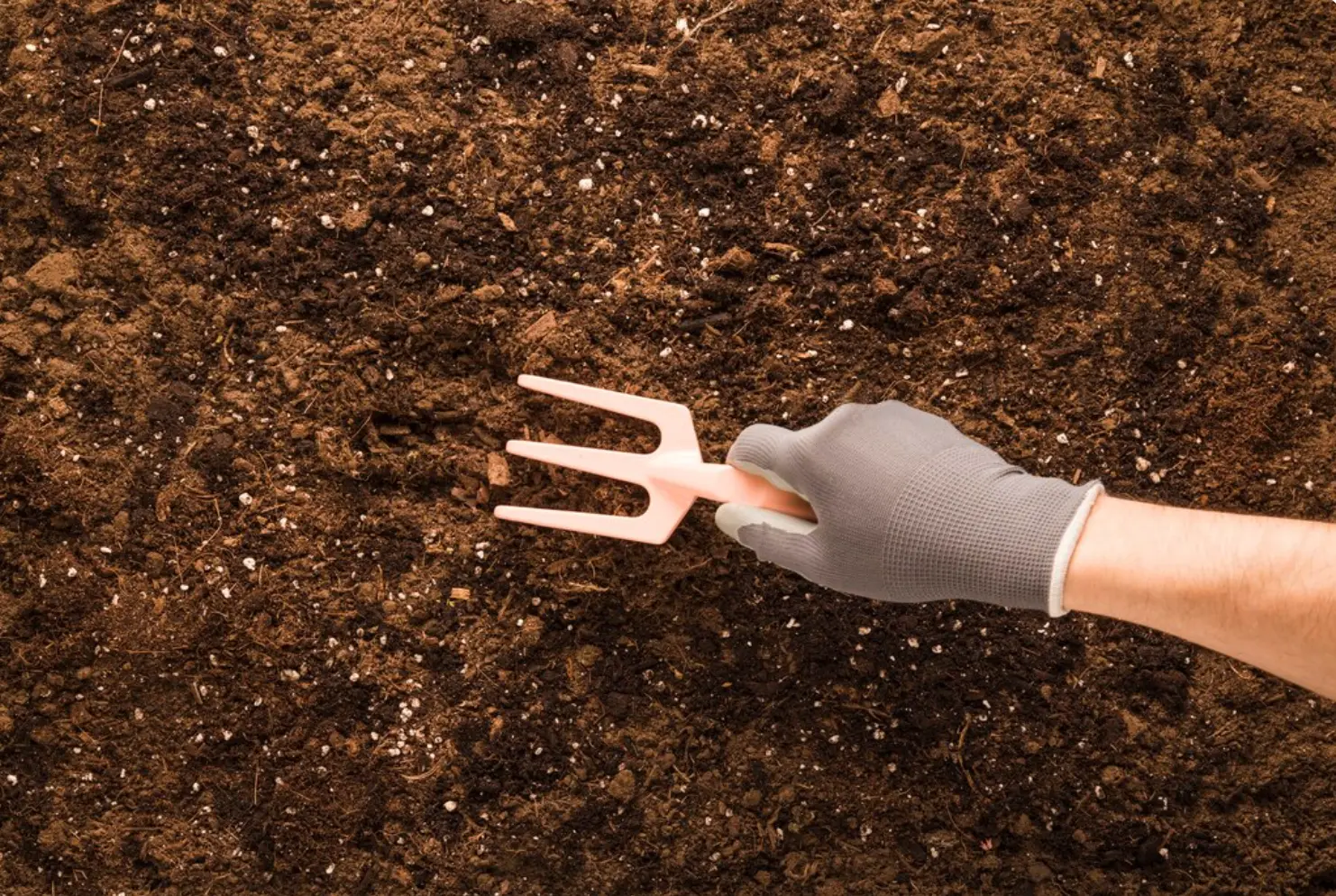
Grade A topsoil is a high-quality layer of soil that's usually used for planting, turfing, landscaping, and garden improvement projects. This type of topsoil is mainly used in gardens that prioritise plant growth, since it often contains a good balance of soil, nutrients, and natural, organic matter. This makes it ideal for flower beds, vegetable patches, raised beds, lawns, borders, and general garden projects.
One key benefit of Grade A topsoil is that it's generally cleaner and screened more carefully than lower-grade soil. Screening is a process that helps remove large stones, roots, debris, and other unwanted materials from the soil in order to give it a finer texture - and make it easier to spread, rake, and level.
What Does Grade B Topsoil Mean?
Grade B topsoil is a more basic type of topsoil that's often used for general landscaping, levelling, and ground improvement. It may not be as fine or rich as Grade A topsoil, but it can still be useful for many outdoor projects where a neat growing finish isn't the main aim. Grade B topsoil is often used for filling large areas, raising ground levels, or preparing a landscape for further improvement.
For example, it can be used underneath turf, paving, paths, or added under a final layer of higher-quality soil. It's also used for improving building sites, driveways, garden makeovers, and areas that need re-shaping. However, this topsoil may contain more stones, roots, or natural material than Grade A soil, which makes it better suited to practical groundwork rather than delicate planting areas - although it can still be used to improve soil depth and create a strong base for landscaping work.
One of the main benefits of Grade B topsoil is that it's a cost-effective option, especially when a large amount of soil is needed. This allows homeowners, landscapers, and contractors to complete their ground preparation work without needing to pay for premium soil when it's not needed.
The Main Differences Between Grade A and Grade B Topsoil
Grade A and Grade B topsoil are both useful for garden and landscaping work, but they are suited to different tasks.
Grade A topsoil is usually cleaner, finer, and richer, and it's often screened to remove large stones, roots, and unwanted materials, which makes it easier to spread and level.
Grade A topsoil is typically used for lawns, flower beds, vegetable patches, raised beds, borders, and planting areas, since its finer texture can help plant roots spread out and give gardeners a better surface to work with.
Grade B topsoil is usually more basic, and it may contain more stones, roots, or natural material, which doesn't always make it suitable for delicate planting or a high-quality finish. However, it's still useful for filling, levelling, shaping, and building up larger areas before a better layer of soil is added on top.
When to Choose Grade A Topsoil
Grade A topsoil is the right choice when your garden or landscaping project needs healthy growth, a clean finish or easy maintenance. Grade A topsoil is often used for lawns, flower beds, vegetable patches, raised beds, borders, and planting areas, and this is because these areas need soil that can give plant roots the best chance to settle, spread, and take in water and nutrients.
You should use Grade A topsoil when the soil in the garden is thin, compacted, heavy with clay, or poor in quality. This is because adding a good layer of Grade A topsoil can improve the soil's natural growing area and create a better surface for turf, grass seed, shrubs, and flowers to grow. It's also great when you want to create a new garden from scratch, since it can act as a strong base from the start.
When Grade B Topsoil May Be Enough
Grade B topsoil is a good choice when your landscaping or garden project prioritises ground preparation rather than a fine finish. Grade B topsoil is often used for filling low areas, raising ground levels and shaping uneven land. You can use Grade B topsoil when the area doesn't need a rich, clean growing surface straight away. For example, it can be used underneath turf, under a layer of Grade A topsoil, or in areas that will later be covered up with gravel, paving, or other landscaping materials. This makes it a useful base layer for many outdoor projects.
Using Topsoil for Lawns
Many lawns can struggle to grow in the UK because the existing ground is thin, compacted, uneven, or low in nutrients. Adding a layer of good-quality topsoil can give your roots a better place to grow, which can help the lawn become healthier over time. Topsoil is especially useful when you're laying down new turf or sowing grass seeds, and this is because it creates a smooth, level base, which can help the grass settle and reduce the risk of dips, bumps, and patchy areas.
Lawns in the UK also face wet weather, heavy foot traffic, and mixed soil conditions. Good topsoil can help improve your lawn's drainage while still retaining enough moisture for your grass and plants to grow. This balance is important because grass needs water, air, and nutrients to stay healthy.

Using Topsoil for Flower Beds
Grade A topsoil is usually the better choice for improving flower beds because it's finer, cleaner, and richer than Grade B. This richness can help your flowers develop strong roots, take in nutrients, and grow more evenly throughout the year.
Grade A topsoil is also useful for new flower beds, raised borders, and areas where the existing soil is poor, compacted, or full of stones.
This is because it gives plants a better base and makes it easier to dig, rake, and arrange the bed neatly, which can improve both the plant's health and the overall appearance of the garden.
Grade B topsoil can also be used to add depth and structure to a flower bed as long as a layer of Grade A topsoil is added on top to create a better growing surface.
Using Topsoil for Raised Beds
Raised beds need enough soil depth so that roots can spread. Grade A topsoil is usually the best choice for the main growing layer since it's finer, cleaner, and often richer in nutrients, which makes it well-suited to vegetable beds, herb gardens and flower beds. It's also easier to rake, plant into, and manage, which gives gardeners a better surface to maintain.
On the other hand, Grade B topsoil can be useful when your raised bed is deep and needs filling in a cost-effective way. This type of topsoil can be placed in the lower part of the bed to add volume and structure, while Grade A topsoil can be placed on top where the roots will grow.
Using Topsoil for Levelling Ground
Uneven ground can cause drainage problems, make mowing harder, and create slip risks in gardens, lawns, and work areas. Adding topsoil can help fill in these dips, smooth out rough patches, and improve the shape of the land.
Grade B topsoil is often better for large levelling jobs because it can add bulk and depth at a lower cost. It can also be used to build up low areas, support new garden layouts, and prepare the ground before a final surface layer is added. This makes it suitable for areas that may later be covered with turf, gravel, paving, or other landscaping materials. Grade A topsoil is better for the upper layer because it can support stronger root growth when you're laying down turf or sowing grass seeds.
How Soil Texture Affects Your Choice
Soil texture can affect whether Grade A or Grade B topsoil is the better choice for your garden in the UK. Soil texture refers to how the soil feels and behaves, such as whether it's clay, sandy, silty, stony, or compacted. Different textures can affect your drainage, plant growth, and how easy the ground is to work with.
Grade A topsoil can help create a better growing layer for lawns, flower beds, and borders, especially when it's mixed with suitable organic matter. Its finer texture can make planting easier and help the roots spread out freely. Grade A topsoil can also improve your soil's moisture and provide a better base for healthy plant growth.
On the other hand, Grade B topsoil may be more suitable when the existing ground is uneven, shallow, or needs building up. This is because it can add depth and volume at a lower cost.
HF Grab Hire provides Grade A and Grade B topsoil delivery services throughout Croydon, Crawley and Sutton. We aim to help you choose the right soil for your needs and deliver it directly to your home, site, or project area.