Discover how Grab Lorries make waste removal easier with quick, efficient collection of heavy and bulky materials. Simplify your site clearance today.
How Does a Grab Lorry Work?
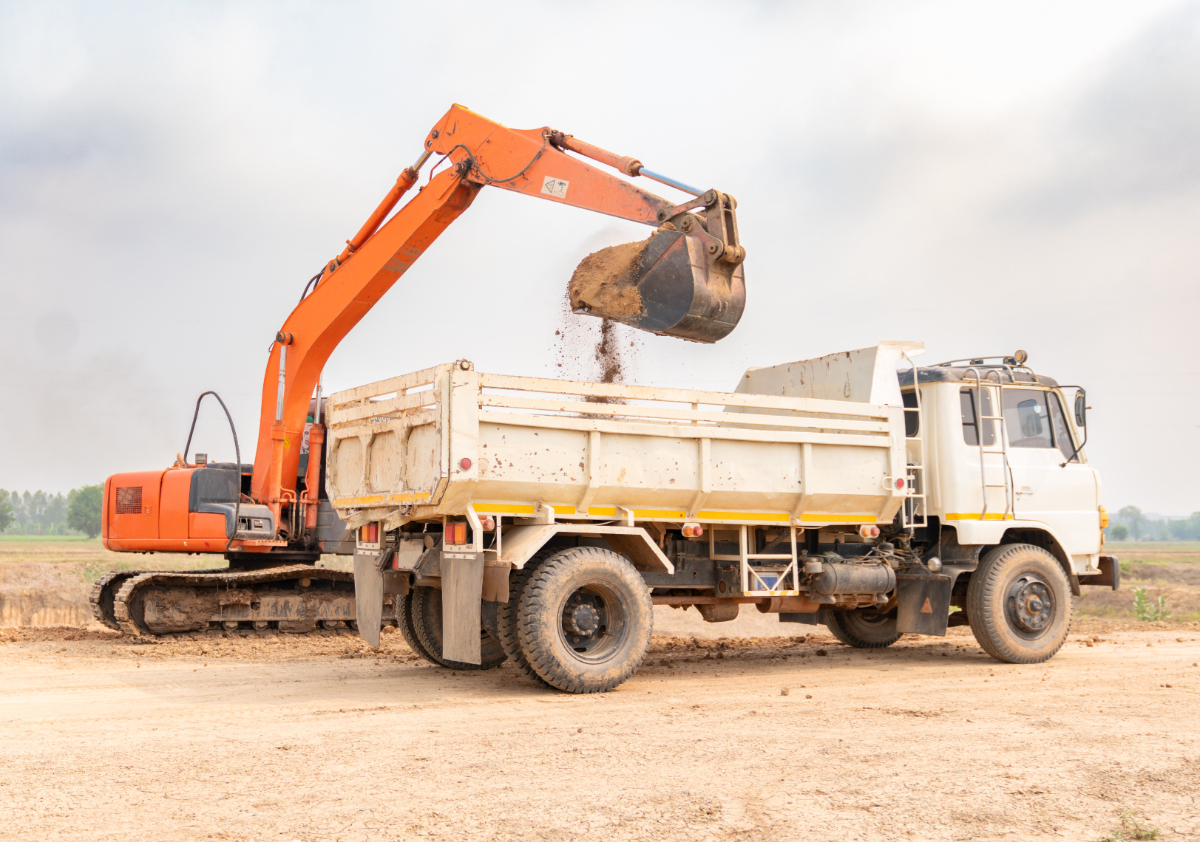
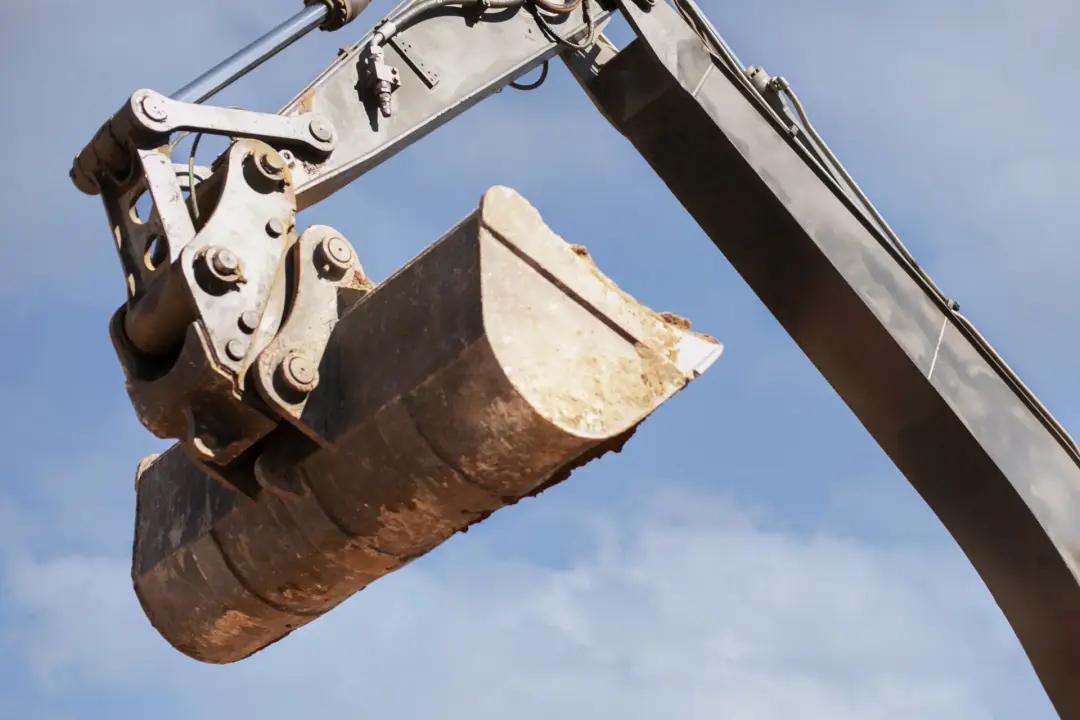
A grab lorry combines a large open vehicle body with a hydraulic lifting arm. At the end of the arm is a strong grab bucket, which opens and closes around loose materials. The driver controls the arm from the vehicle and moves the bucket towards the waste pile.
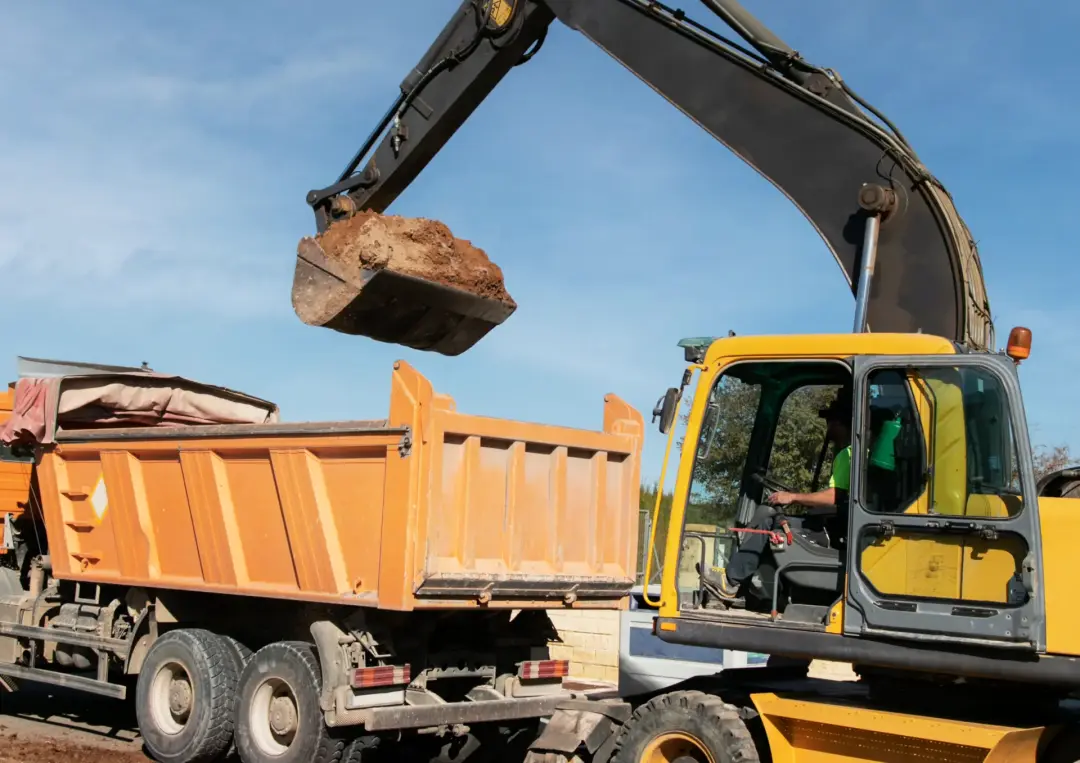
Once the bucket has collected a load, the arm lifts it over the side of the vehicle. The driver then opens the grab above the body, allowing the material to fall inside. This process continues until the waste has been removed or the vehicle reaches its safe carrying limit.
The lifting arm can reach beyond the immediate side of the vehicle. This means it may collect waste from behind low walls, fences, hedges or other obstacles. The exact reach depends on the vehicle, its position and the weight of the material being lifted.
After loading is complete, the waste is covered or secured before transport. It is then taken to an approved waste site, recycling centre or treatment facility. The ability to load, carry and remove material with one vehicle makes the whole collection process easier to manage.
Why Grab Lorries Are Useful for Waste Removal
Grab lorries are useful because they complete several tasks at once. The vehicle provides its own loading equipment, so there is often no need to arrange a separate digger, loader or team of workers. This can make waste collection simpler and reduce the number of vehicles required on a site.
They are especially helpful when waste is too heavy or awkward to move by hand. Soil, broken concrete, bricks and stones can take a long time to load into a skip using wheelbarrows and shovels. A hydraulic grab can lift these materials in much larger amounts.
The vehicle normally arrives for a planned collection and leaves once loading is finished. Waste does not need to remain in a container for several days or weeks. This can suit sites where space is limited or where keeping a skip on the property would cause an obstruction.
Grab lorries can also support better planning. A collection may be arranged when a waste pile reaches a suitable size, allowing work to continue without a long build-up of material. Regular collections can keep access routes open and prevent waste from spreading around the working area.
What Types of Waste Can Grab Lorries Collect?
Grab lorries are commonly used for solid, non-hazardous materials that can be lifted safely with a mechanical bucket. Typical loads include soil, clay, rubble, bricks, broken concrete, stones, sand and many forms of construction waste. These materials are often produced during excavation, demolition and renovation work.
They can also collect green waste from landscaping projects. This may include branches, hedge cuttings, plants, roots and other bulky garden materials. Green waste should usually be kept separate from soil and building waste when possible, as separating materials can support recycling and correct processing.

Some mixed loads may be accepted, but the collection provider should be told exactly what is in the pile. Plasterboard, insulation, timber, metal, plastics and general rubbish may need to be sorted or handled separately. Clear information helps the provider select the correct disposal route.
Hazardous waste normally requires specialist collection. Materials such as asbestos, chemicals, oils, batteries, gas cylinders and contaminated soil should not be placed in an ordinary grab load without prior approval. The safest approach is to describe the waste fully when booking and follow the provider’s preparation instructions.
How Grab Lorries Reduce Manual Labour
Loading heavy waste by hand can require several workers, wheelbarrows, shovels and repeated trips across a site. A grab lorry replaces much of this effort with a powered lifting arm. The bucket collects a large amount of material during each movement and places it directly into the vehicle.
This is particularly valuable when dealing with dense materials. Wet soil, broken concrete and hardcore can be difficult to lift safely. Mechanical collection reduces the need for workers to bend, carry and tip these materials for long periods, lowering physical strain during the removal stage.
Workers still need to prepare the area properly. Waste may need to be placed in a clear pile, unsuitable items must be removed and access must be kept free. However, these tasks are usually less demanding than loading an entire vehicle or skip by hand.
Reducing any possible manual loading also allows the workforce to focus specifically on skilled project work. Builders can continue with construction, landscapers can complete planting or groundwork, and site teams can prepare the next area. This can make better use of labour while the grab lorry handles the main lifting task.
Faster Loading and Collection
A grab lorry can load loose waste quickly because the hydraulic bucket moves much more material than a shovel or wheelbarrow. Instead of workers handling small amounts, each grab collects a larger section of the pile. This can shorten the time needed to clear heavy material.
The collection is usually completed during a planned visit. Once the vehicle is positioned safely, the driver operates the arm, fills the body and prepares the load for transport. There is no need to wait for a separate loading machine or leave an empty container at the site.
Fast collection is useful when waste is blocking a driveway, working area or access route. Removing the pile promptly allows vehicles, equipment and workers to move through the site again. It can also prevent later deliveries from being delayed by stored waste.
The process works best when the pile is prepared before arrival. Materials should be placed within reach, kept away from overhead hazards and separated from items that cannot be collected. Good preparation allows the driver to begin loading promptly and reduces the risk of delays during the visit.
Reaching Waste Over Walls and Fences
The hydraulic arm is one of the main reasons a grab lorry can collect waste from difficult positions. It can extend from the roadside or driveway towards a nearby pile. When conditions allow, the bucket may reach over low walls, fences, hedges or site barriers.
This can be helpful when waste is stored in a front garden, side area or enclosed construction zone. Workers may not need to carry the material through a building or dismantle a boundary simply to create a loading route. The arm lifts the waste over the obstruction instead.
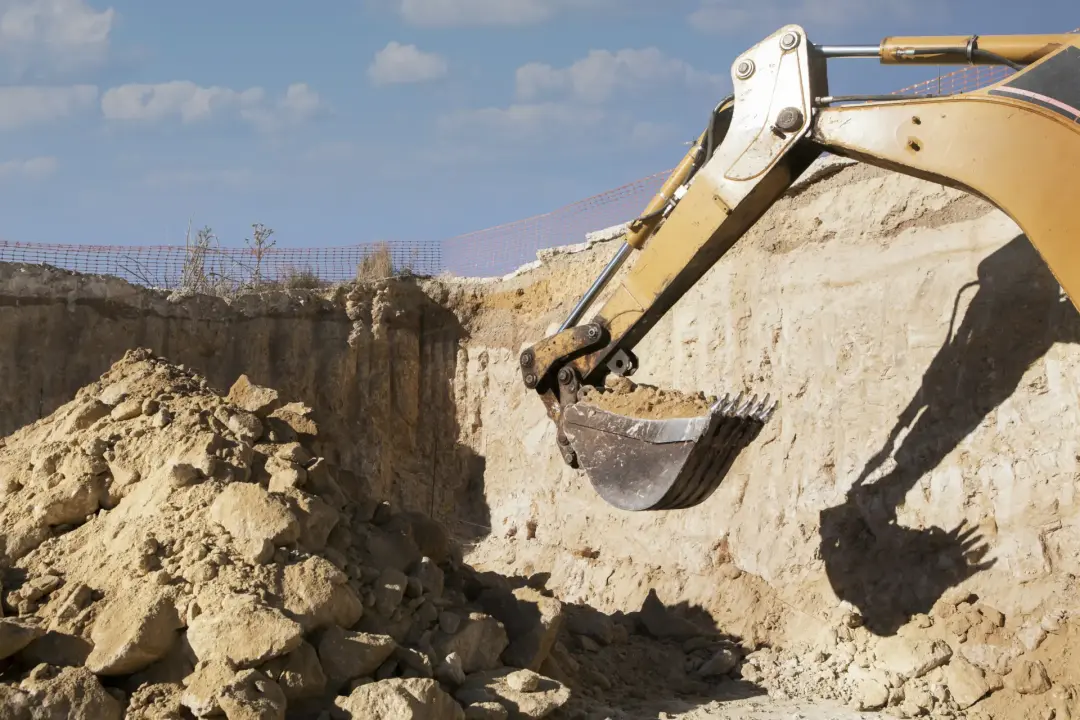
Reach is not unlimited, and the driver must be able to see and control the loading area safely. The distance, height of the obstacle, weight of the material and position of the vehicle all affect what can be collected. Overhead cables and tree branches may also restrict movement.
Customers should explain any walls, fences or other barriers before booking. Photographs, measurements and a clear description can help the provider decide whether the vehicle is suitable. Preparing the pile close to the boundary, without placing it against a weak structure, can make collection safer and more efficient.
Removing Large Amounts of Waste in One Visit
Grab lorries are designed to carry substantial loads, making them suitable when a project produces more waste than a small container can hold. A single collection may remove a large pile of soil, rubble or mixed inert material, depending on the vehicle and legal weight limits.
Removing more waste during one visit can reduce the disruption of multiple visits. There may be fewer vehicle movements, fewer loading periods and less time spent arranging repeated small collections. This is useful on busy construction sites and residential roads where access needs to remain open.
A large carrying capacity does not mean every material can fill the body to the same level. Dense waste, such as wet soil or concrete, may reach the vehicle’s weight limit before its full space is used. Lighter waste may fill the body before the maximum weight is reached.
The provider can help estimate how many loads will be required. Useful information you may need includes the pile’s length, width and height, together with the type of material. An accurate description supports safer loading and reduces the chance that part of the waste must be left for another collection.
Grab Lorries vs Skip Hire
A grab lorry loads waste during a collection visit, while a skip is normally delivered and left at the site. A skip allows waste to be added over several days, which can suit projects that produce small amounts steadily. A grab lorry is often better for waste already gathered in a pile.
Manual loading is another important difference. Most skips must be filled by workers unless a machine is available. A grab lorry has its own hydraulic arm, allowing loose material to be lifted into the vehicle. This can save considerable effort when the waste is heavy.
Space may also affect the choice you make. A skip needs a suitable area for delivery, storage and collection, whereas grab lorries usually need plenty of safe temporary access beside the waste but does not normally remain on site after loading. This can help where long-term space is limited.
Permit needs can differ when public roads are involved. In England and Wales, placing a skip on a public road generally requires a permit from the local council. A grab lorry that arrives, loads and leaves may avoid the need for a skip permit, although parking restrictions, traffic controls or other local permissions can still apply.
Do Grab Lorries Need a Permit?
A grab lorry does not usually require the same permit as a skip because it is not normally left on the road. It arrives for collection, loads the waste and leaves. This is different from placing a skip on a public highway for several days.
However, the vehicle must still stop and operate legally. Parking controls, loading restrictions, narrow roads, traffic conditions and local highway rules may affect the collection. A temporary suspension or traffic arrangement may be needed if the lorry cannot operate without blocking the road.

Rules can differ between councils and locations. A collection on private land is often much simpler, provided the vehicle has permission to enter and the ground is suitable. Any work taken out on a public road, pavement or controlled parking area should be discussed with the provider in advance.
The company transporting the waste must also hold the correct waste carrier registration where required. In England, businesses that regularly transport waste must register with the Environment Agency. Customers can check the public register before allowing waste to be removed.
How Grab Lorries Help Keep Sites Clear
Loose waste can quickly take over valuable working space. Piles of soil, broken materials and packaging may block routes or make it difficult to organise tools and deliveries. A grab lorry allows these materials to be removed before they interfere with the next stage of work.
More frequent collections can be planned around the project programme. For example, soil may be removed after excavation, rubble after demolition and green waste after landscaping. Clearing each type at the right time prevents several waste streams from becoming mixed together.
A clear site is also easier to inspect and manage. Supervisors can see working areas, identify unfinished tasks and check that access routes remain usable. Workers are less likely to move waste repeatedly simply to reach equipment or complete another activity.
Good site organisation begins before collection. Waste should be placed in agreed areas that are easy for the grab arm to reach. Separating recyclable materials and keeping hazardous items away from general waste can make each collection more orderly while supporting responsible handling after the load leaves the site.
Using Grab Lorries for Construction Waste
Construction work often produces heavy waste that is well suited to mechanical collection. Excavated soil, old bricks, broken concrete, roof tiles and other solid materials can be gathered into a pile and lifted directly into the lorry. This is useful during extensions, renovations and new building work.
Grab collections can be timed to match all the different project stages. One load may remove soil after foundation digging, while another may collect rubble following major structural alterations. Scheduling removal in stages helps prevent waste from filling the areas needed by workers and machinery.
The service can also eliminate a lot of pressure put on the workforce to keep the area tidy and clean after a long day of labour. Builders do not need to spend as much time filling the skips by hand, and a separate loading machine may not be required. This allows labour and equipment to remain focused on the main construction tasks.
All waste should be identified correctly before collection. Certain materials, including asbestos, contaminated soil and chemicals, require specialist arrangements. Construction businesses also have a duty to ensure that waste is transferred to an authorised person and described accurately on the required records.
Using Grab Lorries for Garden and Landscaping Waste
Landscaping work can produce a mixture of heavy and bulky waste. Excavated soil, old turf, stones, roots, branches and hedge cuttings may take up a large amount of space. A grab lorry can collect these materials directly from a prepared pile.
The service is especially useful during major garden changes. Projects involving new patios, ponds, driveways, drainage or level changes may generate far more soil than can be managed with ordinary garden bins. Mechanical loading avoids carrying every barrow of waste into a container.
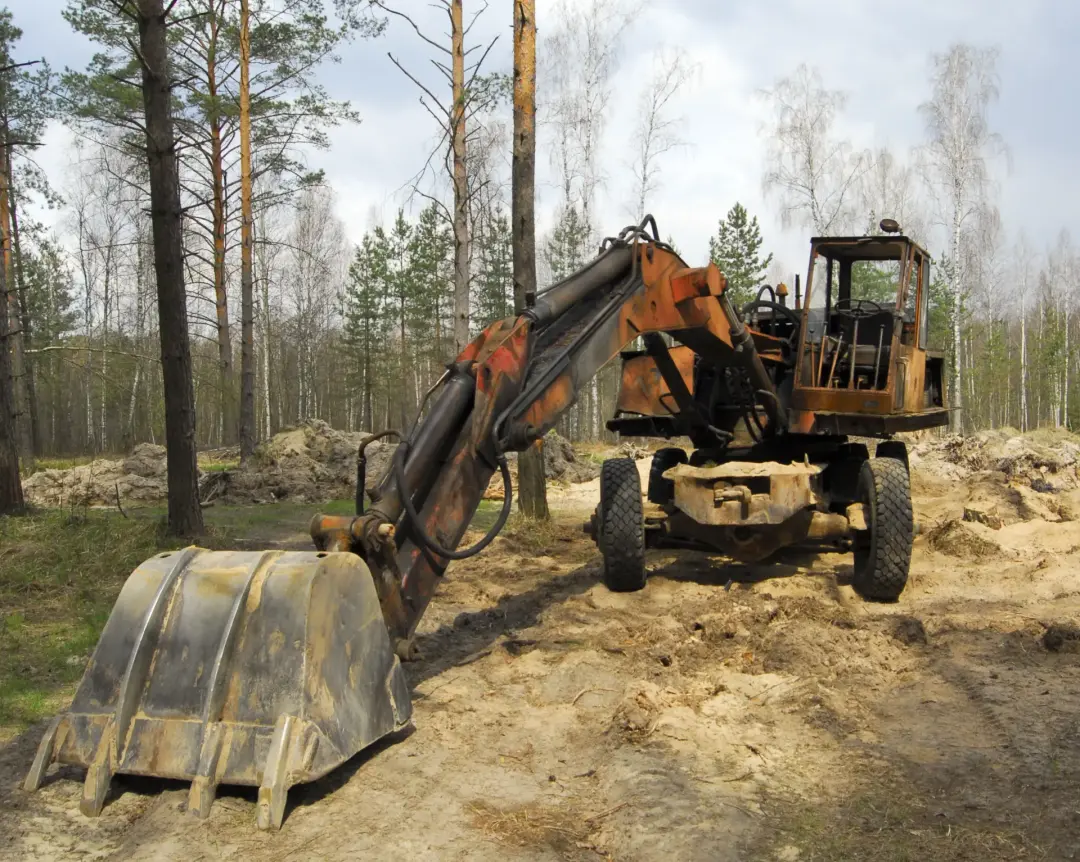
Different garden materials may need to be separated. Clean soil can often follow a different processing route from green waste, treated timber or general rubbish. Keeping each material in its own pile can reduce contamination and help the collection provider manage it correctly.
Access should be considered before any of the work begins. Placing waste close enough for the grab arm to reach can prevent unnecessary handling later, making the job much easier and more efficient.
The pile should not block any public paths that people will walk frequent, rest against a weak fence or contain hidden items that could damage the grab bucket or affect safe disposal.
Soil, Rubble and Hardcore Removal
Soil, rubble and hardcore are among the most common grab lorry loads. These materials are heavy, loose and difficult to handle manually, but they can be lifted efficiently with a hydraulic bucket. Typical sources include excavation, driveway removal, demolition and foundation work.
Soil should be described accurately when arranging collection. Clean natural soil may be handled differently from soil containing rubbish, chemicals, oil or invasive plants. Wet soil is also much heavier than dry soil, which can affect how much the vehicle is legally able to carry.
Rubble can include bricks, blocks, concrete and tiles. Hardcore usually refers to solid materials that may be crushed and reused in construction. Keeping these loads free from plasterboard, insulation, timber and general rubbish can improve their suitability for recovery or recycling.
The waste pile should be stable and reachable. Materials should not be placed below any unsafe structures or mixed with sharp objects that cannot be seen. A clear, well-sorted pile allows the driver to collect the load efficiently and helps the receiving site decide how it should be treated.
Grab Lorry Access Requirements
A grab lorry is a large, heavy vehicle, so it needs much more access space than a car or small van might. The route must be wide enough for the vehicle and free from tight bends, low entrances or weak surfaces. The driver also needs room to position the vehicle safely.
Overhead clearance is particularly important. The hydraulic arm rises and extends while loading, so power cables, telephone lines, branches, scaffolding and building edges may cause a serious obstruction. The grab must never operate where it could contact overhead services.
The ground should be firm and able to support the lorry’s weight. Soft lawns, weak paving, small drains and unsupported surfaces may be damaged or may not be safe to drive over. Where possible, the vehicle should remain on a suitable road, yard or reinforced driveway.
The waste pile must also be within the arm’s working reach. All customers should provide the details about distances, barriers and road conditions before collection. Photographs are also a great help to identify possible problems. Clear access planning reduces delays and allows the driver to complete the work without taking unnecessary risks.
How Much Waste Can a Grab Lorry Carry?
The amount a grab lorry can carry depends on its size, design and legal weight limit. Larger vehicles may hold a substantial volume of loose material, but the actual load is controlled by both space and weight. The collection provider should confirm the capacity of the vehicle being supplied.
Dense materials reach the weight limit quickly. Wet soil, clay, concrete and stone may form a pile that looks smaller than the vehicle body but is already heavy enough for safe transport. The driver cannot exceed the vehicle’s permitted weight simply because unused space remains.
Lighter materials behave differently. Branches, plants and some mixed waste may fill the available body space before reaching the weight limit. Bulky items can also trap empty spaces between them, reducing the amount that fits into one load.
A rough estimate can be made by measuring the pile, but shapes and densities vary. Sending photographs with measurements gives the provider a better basis for planning.
It may still be necessary to arrange more than one visit when the pile is unusually large, wet or mixed.
Our grab lorries can grab and collect large volumes of waste quickly and efficiently. Whether it's for construction, landscaping, or site clearance, we provide practical, time-saving waste removal solutions that are tailored to your project. Call today for Grab Lorry Services in Croydon, Crawley and Sutton.