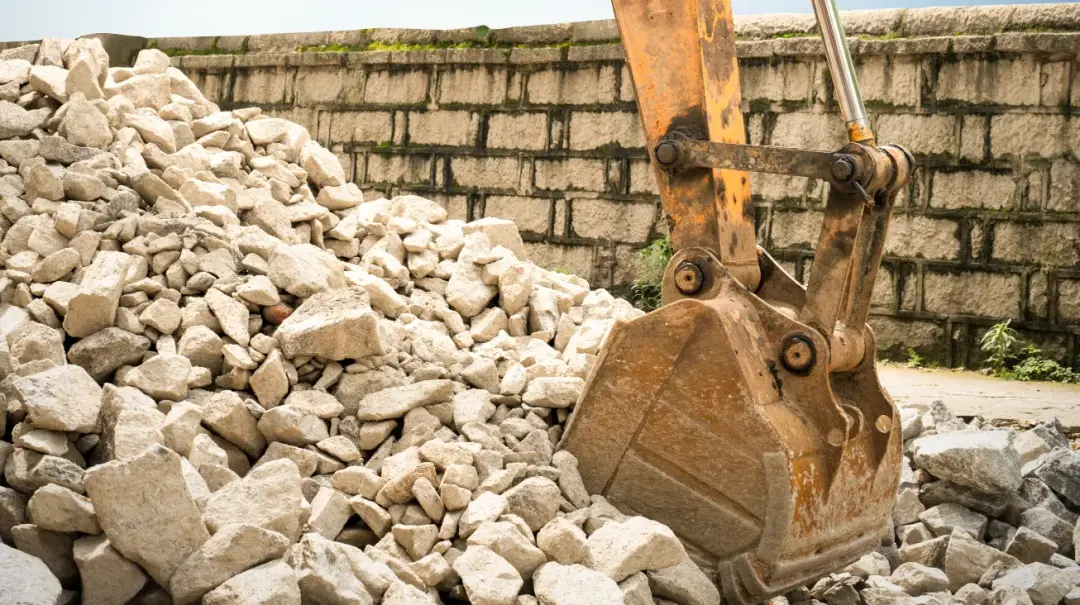
Working out how much aggregate you need can help you control costs, avoid delays and reduce leftover material. Learn how to calculate aggregate quantities for driveways, patios, paths, drainage and other projects.
Why Is It Important to Order the Right Amount of Aggregate?
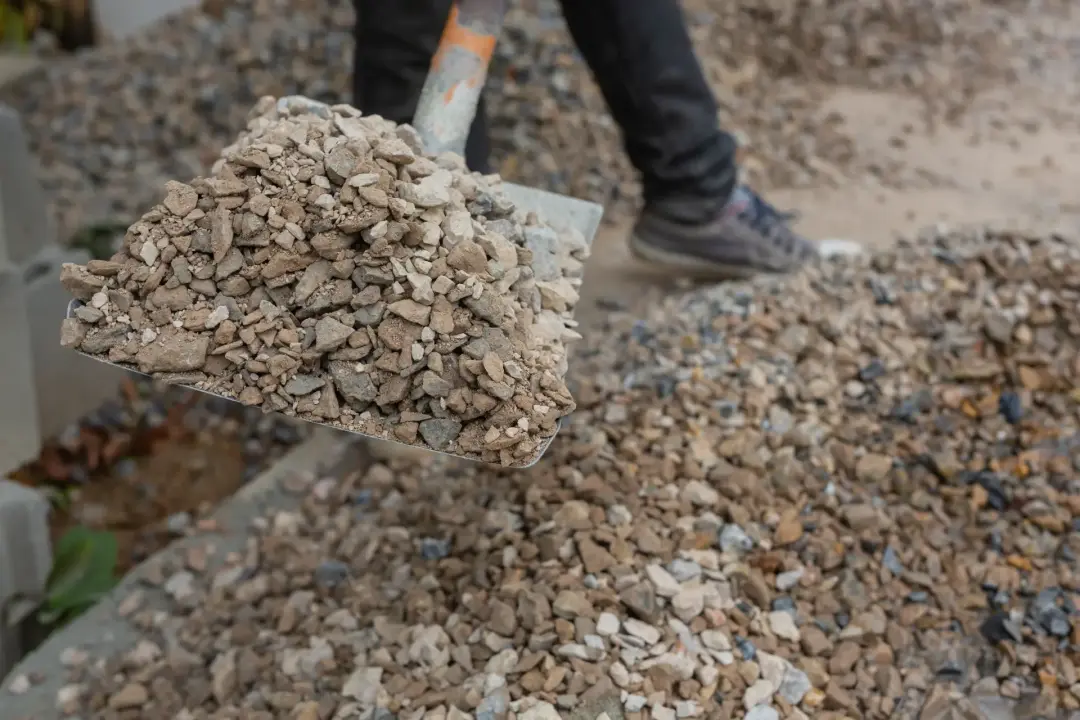
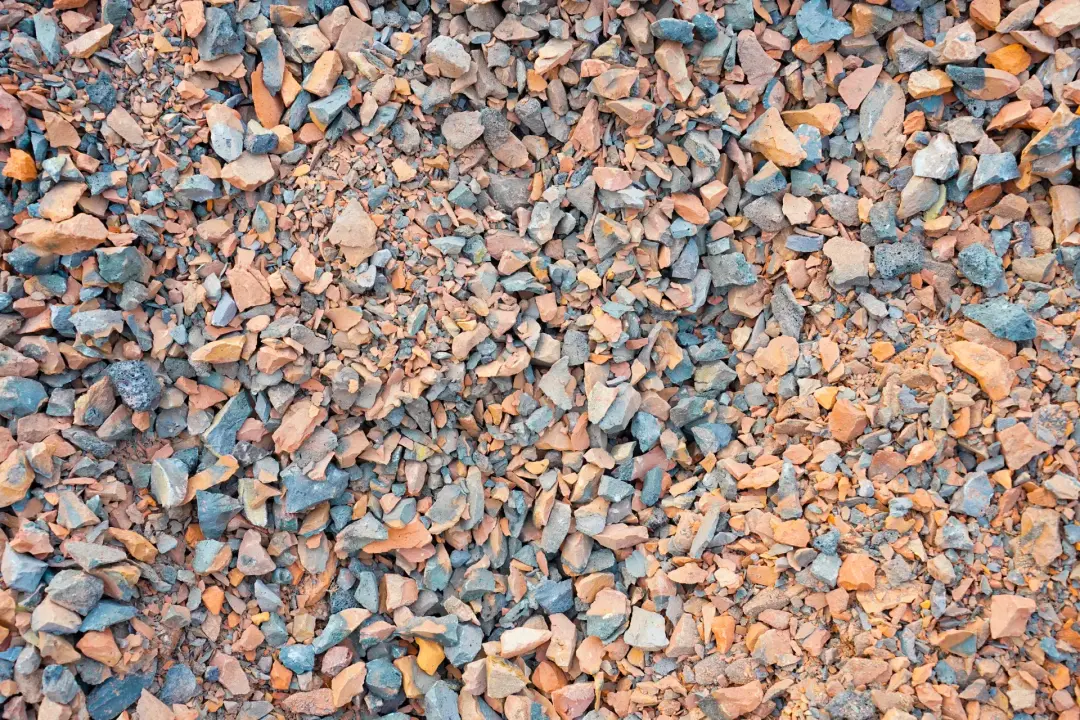
Aggregate is used in a wide range of building and landscaping projects. It can form a strong base beneath paving, provide drainage, create decorative surfaces and become part of concrete and other construction materials.
Ordering too little aggregate can stop work while you wait for another delivery. This may increase transport costs and make it harder to complete the project on schedule. Ordering too much can leave you with unwanted material that needs to be stored, reused or removed.
A simple calculation before ordering can give you a much better estimate. You need to know the size of the area, the required depth and the type of aggregate you plan to use.
It is also useful to include a small extra amount for settlement, uneven ground and minor measurement differences. This gives you some flexibility without ordering far more material than you are likely to need.
Read related articles:
How to Calculate How Much Aggregate You Need
The basic calculation is straightforward. Measure the length and width of the area in metres, then decide how deep the aggregate needs to be. The depth must also be converted into metres before completing the calculation.
Multiply the length by the width and then multiply the result by the depth. This gives you the volume required in cubic metres.
For example, an area measuring 5 metres long and 4 metres wide with an aggregate depth of 0.1 metres would require 2 cubic metres of material before any extra allowance is added.
The calculation would be 5 × 4 × 0.1 = 2 cubic metres. This volume can then be converted into tonnes using the estimated weight of the particular aggregate being ordered.
How to Convert Aggregate Depth Into Metres
One of the most common calculation mistakes is using millimetres for the depth while using metres for the length and width. All measurements need to use the same unit before they are multiplied together.
To convert millimetres into metres, divide the measurement by 1,000. A depth of 50 millimetres is therefore 0.05 metres, while 100 millimetres is 0.1 metres.
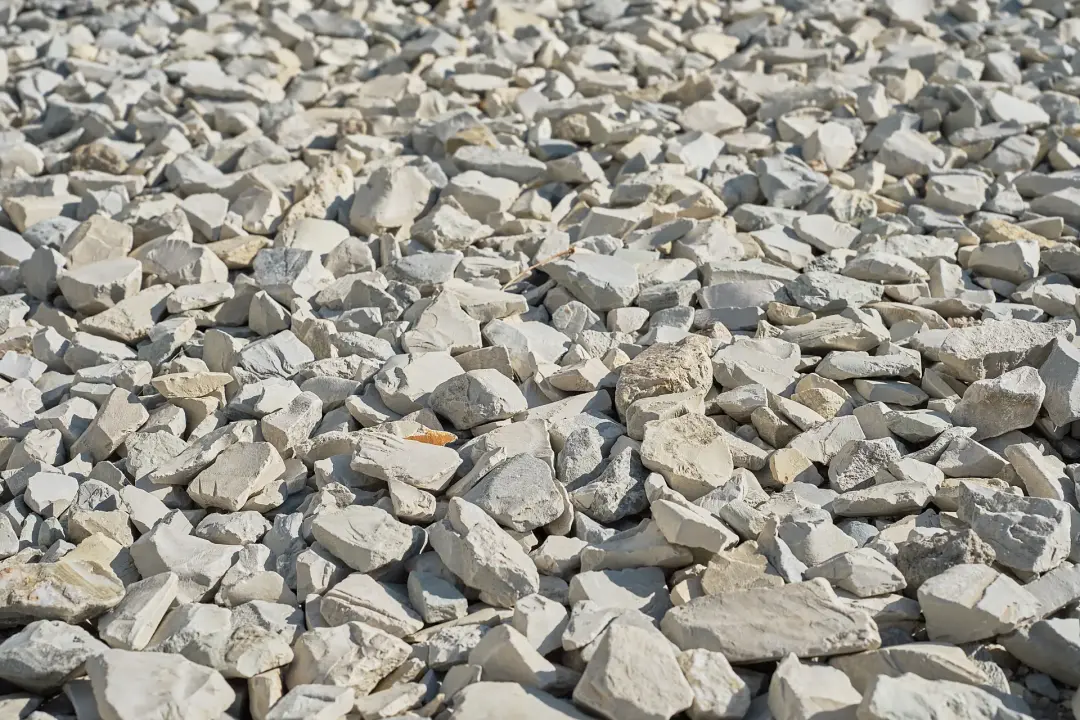
For an area measuring 10 metres by 3 metres at a depth of 50 millimetres, the calculation would be 10 × 3 × 0.05. This gives a total volume of 1.5 cubic metres.
For the same area at a depth of 100 millimetres, you would need 3 cubic metres. Doubling the depth doubles the volume of aggregate required.
This is why checking the recommended depth for your particular project is important before placing an order.
How Do You Convert Cubic Metres of Aggregate Into Tonnes?
The amount of aggregate you order is often stated in tonnes, while your measurements will usually produce a volume in cubic metres. You therefore need to consider the weight of the chosen material.
There is no single conversion figure that works for every aggregate. Different materials have different densities. Moisture levels, particle size and how tightly the material is packed can also change its weight.
Many common loose construction aggregates weigh roughly between 1.5 and 2 tonnes per cubic metre. This should only be treated as a general guide because the actual figure depends on the product.
If your calculation gives 2 cubic metres and the chosen aggregate weighs approximately 1.7 tonnes per cubic metre, the estimated requirement would be around 3.4 tonnes. Your supplier should confirm the correct conversion for the exact material you are buying.
How Much Extra Aggregate Should You Order?
A calculation gives you a useful starting figure, but real project areas are rarely completely level and exact. Ground levels may vary, some material may settle after compaction and small amounts can be lost during handling.
For many projects, allowing around 5 to 10 per cent extra can provide a sensible margin. The suitable allowance will depend on the condition of the site and the type of work.
For example, if your calculated requirement is 5 tonnes, adding 5 per cent would increase the order to 5.25 tonnes. Adding 10 per cent would increase it to 5.5 tonnes.
You may need a larger allowance when working over uneven ground or filling an area where the depth varies significantly. Careful preparation and measurement can reduce the amount of additional material required.
How Much Aggregate Do I Need for a Driveway?
A driveway normally requires several layers rather than a single layer of decorative stone. The exact construction will depend on the ground conditions, expected vehicle use and chosen surface.
A compacted aggregate sub-base is commonly installed beneath the finished driveway surface. Because driveways must support vehicles, this layer will usually be deeper than the material used for a simple garden path.
Each layer should be calculated separately. Measure the full driveway area and multiply it by the planned depth of that layer. Converting each result into tonnes gives you a clearer estimate of the amount that needs to be ordered.
Do not assume that the same depth is suitable for every driveway. Ground strength, drainage, vehicle weight and the final surface should all be considered when deciding how the base is constructed.
How Much Aggregate Do I Need for a Patio?
Patios need a stable base so that paving does not move or sink after installation. The required aggregate is based on the surface area of the patio and the planned depth of the sub-base.
Consider a patio measuring 6 metres by 4 metres. Its total area is 24 square metres. If the aggregate layer needs to be 100 millimetres deep, this is converted to 0.1 metres.
The calculation is therefore 6 × 4 × 0.1, producing a requirement of 2.4 cubic metres before an additional allowance is included.
The exact amount in tonnes will depend on the aggregate selected. It is important to calculate bedding materials and decorative materials separately rather than treating every layer as one quantity.
How Much Aggregate Do I Need for a Garden Path?
The same basic calculation can be used for a garden path. Measure the total length and width, then multiply these figures by the planned aggregate depth.
A path measuring 8 metres long and 1 metre wide has an area of 8 square metres. If decorative gravel is being laid 50 millimetres deep, multiply 8 by 0.05. This gives a volume of 0.4 cubic metres.
If the path also needs a separate sub-base, calculate that layer independently using its own depth. Adding the two volumes together without considering the different materials could result in the wrong amount being ordered.
Curved paths can be harder to measure than rectangular areas. One practical method is to divide the path into several smaller sections and calculate each area individually.
Add the separate figures together to estimate the total volume. This usually provides a more useful result than measuring the entire irregular area as one large rectangle.
A small additional allowance can then be included for changes in width, uneven ground and settlement.
How Much Gravel Do I Need?
Gravel can be used for driveways, paths, borders, drainage areas and decorative landscaping. The amount required depends heavily on the depth because decorative applications may use a much thinner layer than structural work.
Begin by calculating the surface area. Multiply the length by the width, then multiply this result by the gravel depth in metres.
Remember that decorative gravel should not automatically be used as a replacement for a structural sub-base. A driveway, for example, may need a properly prepared and compacted base beneath the visible gravel.
If you are unsure about the depth or material required, check the product information or speak to your aggregate supplier before ordering.
How Much Aggregate Do I Need for Drainage?
Aggregate is commonly used around drainage pipes, trenches and other areas where water needs space to move through the ground. The size and type of material required depends on the drainage system.
For a simple rectangular trench, calculate the volume by multiplying its length, width and aggregate depth. If a pipe occupies part of the trench, the actual aggregate volume may be lower because the pipe itself takes up space.
Drainage projects need suitable free-draining material. Fine particles can affect how easily water moves through the aggregate, so the cheapest material will not always be the most suitable choice.
For larger drainage systems, professional specifications should be followed to make sure the correct aggregate grading, depth and installation method are used.
How Much Aggregate Do I Need for Concrete?
Aggregate is an important ingredient in concrete, but working out the amount required is different from calculating a loose gravel surface. Concrete contains a controlled mixture of aggregate, sand, cement and water.
Start by calculating the volume of finished concrete required. A rectangular concrete slab is calculated by multiplying its length, width and depth.
The amount of each individual ingredient then depends on the concrete specification. Avoid using a general aggregate conversion to create structural concrete because the correct mixture can vary according to its intended use.
Where concrete must meet a particular strength or structural requirement, use the specified mixture or ready-mixed concrete rather than estimating the ingredients without suitable guidance.

Writing down each measurement before ordering can help prevent simple mistakes. Check the length, width and depth of every separate area and make sure all measurements use metres before calculating the volume.
If your project contains several layers, list each material separately. A driveway, for example, could require one quantity for the sub-base and another for the finished gravel surface.
Providing clear measurements to your supplier can also help them check whether your planned quantity appears suitable.
Does Compaction Affect How Much Aggregate You Need?
Yes. Some aggregates are compacted after they are laid, particularly materials used for sub-bases. Compaction reduces empty spaces between particles and produces a firmer layer.
This means the volume of loose material delivered may not be the same as its final compacted volume. If you calculate only the finished compacted depth without considering this change, you could underestimate the amount required.
The effect depends on the aggregate, moisture content, equipment and number of passes made during compaction. Product guidance or advice from the supplier can help you decide how much loose material is needed to achieve the required finished depth.
It is generally better to compact a deep base in suitable layers rather than placing all of the aggregate at once. This can produce a more stable and even surface.
Common Mistakes When Calculating Aggregate
The first common mistake is failing to convert the depth into metres. Entering 100 instead of 0.1 into a calculation produces a completely incorrect result.
Another mistake is measuring only the main rectangular part of an area and forgetting additional sections, corners, borders or changes in width. Dividing an unusual shape into smaller sections can make the calculation more accurate.
Using the wrong weight conversion can also cause problems. One cubic metre does not have the same weight for every aggregate. The product type, particle size, moisture and packing all affect density.
Finally, do not forget that the required depth should usually be based on the finished project rather than the amount that simply looks sufficient when the material is first spread.
Aggregate Use in the United Kingdom
Aggregate is one of the most widely used construction materials in the country. According to the Mineral Products Association, around 250 million tonnes of aggregates are needed in a typical year in the United Kingdom, with about 90 per cent used by the construction industry.
The organisation's 2025 industry profile reported that 186.3 million tonnes of primary aggregates were produced across the United Kingdom during 2024. This included 132.2 million tonnes of crushed rock and 54.1 million tonnes of sand and gravel.
Recycled and secondary aggregates also make an important contribution. The Mineral Products Association estimated that 74.7 million tonnes of recycled and secondary aggregates were supplied in Great Britain during 2024.
More recent figures show that annual primary aggregate sales in Great Britain fell to 122 million tonnes in 2025, their lowest level since 2013. During the first half of 2026, crushed rock sales were 0.7 per cent higher than the same period of 2025, while sand and gravel sales were 8.3 per cent lower.
These figures show the large scale of aggregate use in construction. At individual project level, accurate measurement remains important because even a relatively small difference in area or depth can noticeably change the amount that needs to be ordered.
Should I Order Aggregate by the Tonne or by Volume?
Whether you order by weight or volume depends on the supplier and the quantity required. Loose aggregate may be supplied in bags, larger bulk bags or loose loads delivered by vehicle.
For smaller garden projects, bags can make it easier to control quantities and move material around the property. Larger projects may be more suited to loose delivery because several tonnes can be supplied at once.
When comparing options, make sure you are comparing the actual quantity of material rather than simply the number of bags or loads. Bag sizes and vehicle capacities can vary between suppliers.
For loose loads, you should also make sure there is enough room for safe delivery and unloading before placing the order.
How to Measure an Irregular Area for Aggregate
Not every driveway, garden or construction area is a simple rectangle. Curves, extensions and changes in width can make measuring more difficult.
A practical approach is to divide the area into smaller regular shapes. Measure each rectangle or similar section separately and calculate its surface area. Add all of these figures together before multiplying by the required depth.
For a triangular section, multiply the base by the height and divide the result by two. This can then be added to the other measured sections.
Measurements do not have to be perfect to provide a useful estimate, but careful measuring can significantly reduce the risk of ordering too much or too little material.
What Should You Check Before Ordering Aggregate?
Check the total area, planned depth and type of aggregate before placing an order. If the project includes several materials, calculate each one separately.
You should also consider access. Loose aggregate needs somewhere suitable to be unloaded. The delivery vehicle needs enough space to reach the property and complete the delivery safely.
Think about where the material will be stored while work takes place. Avoid locations that block pavements, roads, drainage points, entrances or areas required for other parts of the project.
Finally, confirm the supplier's product density or recommended coverage. This allows you to turn your calculated volume into a more reliable order quantity.
A useful order starts with accurate measurements. Measure the site before work begins rather than relying on a visual estimate.
Confirm the required finished depth and allow for compaction where appropriate. Make sure the selected material is suitable for its intended use.
For large quantities, photographs and site measurements can also help a supplier understand the project and identify possible delivery or access issues.
Taking a little extra time at the planning stage can reduce wasted material and help the project progress more smoothly.
A Simple Aggregate Calculation Example
Imagine you are preparing an area measuring 7 metres long and 4 metres wide. The aggregate needs to form a layer 100 millimetres deep.
First, convert 100 millimetres to 0.1 metres. Then multiply 7 × 4 × 0.1. The result is 2.8 cubic metres.
If the aggregate has an estimated density of 1.7 tonnes per cubic metre, multiply 2.8 by 1.7. This gives an estimated weight of 4.76 tonnes.
Adding 5 per cent for small differences and settlement would increase the estimate to almost 5 tonnes. The supplier can then confirm whether this figure is suitable for the exact aggregate being purchased.
How to Get a More Accurate Aggregate Estimate
The most reliable estimate begins with accurate measurements. Measure the actual working area rather than using property plans unless you know those plans reflect the current layout.
Check the depth in several places when filling an excavated area. If the ground is uneven, using only the shallowest point could leave you short of material.
You should also identify the exact aggregate before converting volume into tonnes. Two products covering the same volume may have different weights.
For very large projects, unusual shapes or structural work, professional advice may be worthwhile. A small measuring error across a large area can result in several extra tonnes of material being required.
Planning Your Aggregate Delivery
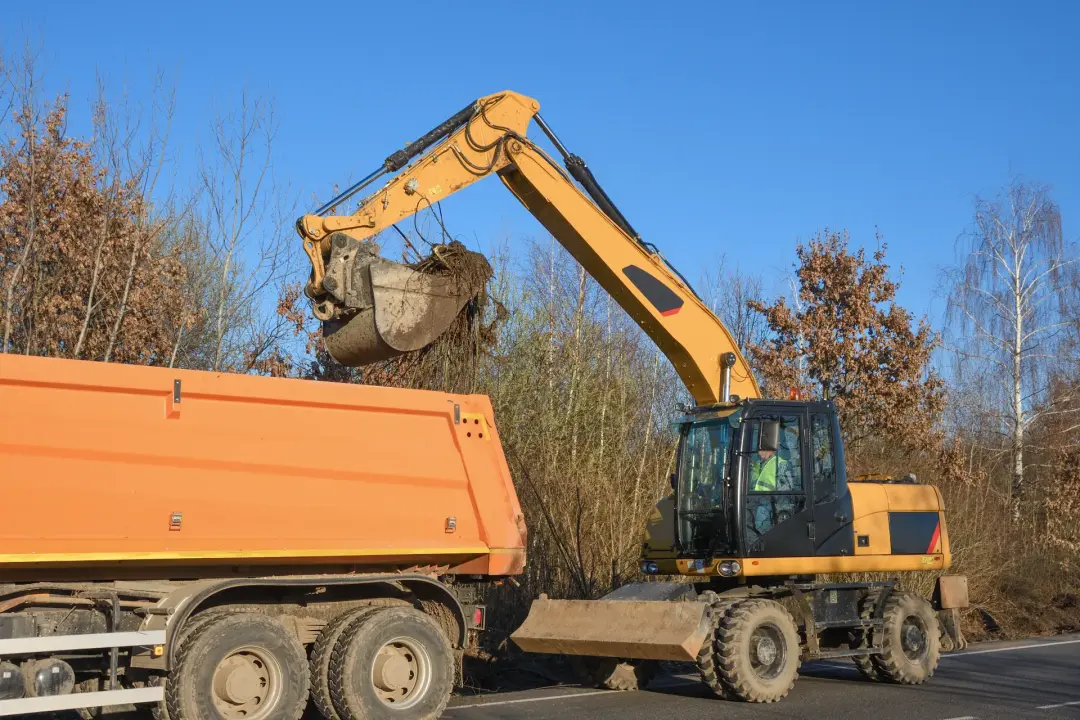
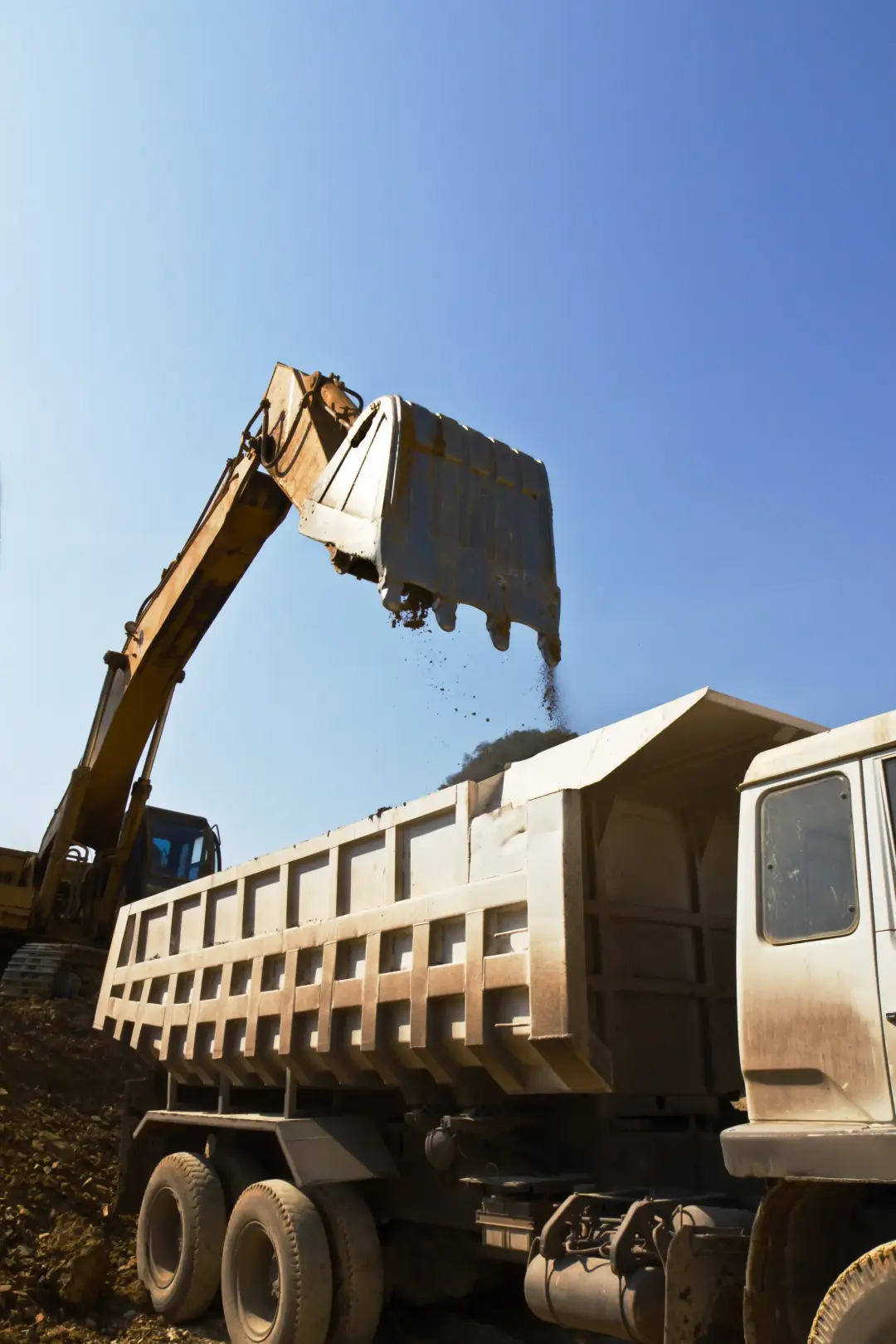
Once you know how much aggregate you need, consider how it will reach the site. Large quantities require enough space for a suitable delivery vehicle to approach and unload safely.
Check for narrow entrances, parked vehicles, low branches, overhead cables and weak surfaces. These can affect where a vehicle can travel or unload.
You should also prepare a suitable area for the material before the delivery arrives. Keeping aggregates contained and separate can make the site easier to manage and prevent different products from becoming mixed.
If old soil, rubble or existing aggregate needs to be removed before new material is delivered, arranging the removal in advance can free valuable working and storage space.
Getting the Right Amount for Your Project
Working out how much aggregate you need does not have to be difficult. Start with the length, width and depth of the area and use these measurements to calculate the volume in cubic metres.
Next, use the correct density for your chosen aggregate to estimate the weight. Include a suitable allowance for settlement, compaction and small differences in the site measurements.
Remember that driveways, patios, paths and drainage projects may require different materials and depths. Each separate layer should therefore be calculated individually.
Accurate planning can help you avoid unnecessary costs, reduce leftover material and make sure enough aggregate is available when work begins.
Need aggregates for your next building, landscaping or groundwork project in Croydon, Crawley or Sutton? Visit our Aggregates Delivery page to find out how HF Grab Hire can supply reliable aggregate materials directly to your site . Whether you need materials for a driveway, patio, drainage work or a larger construction project, our delivery service can help you get the right quantity when you need it.