Learn how to choose the right aggregates for driveways, drainage, concrete, paths, landscaping and construction, with practical guidance on size, strength, finish and project requirements.
What Are Aggregates?
Aggregates are loose granular materials used throughout construction, landscaping and groundworks. They include materials such as crushed stone, gravel, sand and recycled construction materials.
They can be used on their own or combined with other materials. Sand and stone, for example, are important ingredients in concrete, while crushed stone can provide a firm base beneath driveways, patios and paths.
The type of aggregate you choose can affect strength, drainage, appearance and how well the finished surface performs over time. A material that works well beneath paving may not be suitable for decorative landscaping, while an aggregate designed for drainage may not provide the firm surface required beneath a driveway.
Demand for these materials remains substantial. According to the Mineral Products Association's 2025 industry profile, 186.3 million tonnes of primary aggregates were produced across the United Kingdom in 2024. This included 132.2 million tonnes of crushed rock and 54.1 million tonnes of sand and gravel.
Start by Considering How the Aggregate Will Be Used
The first step is to identify exactly what the aggregate needs to do. Different projects place very different demands on the material.
A driveway base needs to carry the weight of vehicles and create a stable foundation. A drainage trench needs material that allows water to pass through easily. Decorative gravel is chosen partly for appearance, while aggregates used in concrete must work properly with the other materials in the mix.
Consider whether the material will form a structural layer, a finished surface, a drainage layer or part of another construction material. This immediately helps narrow the available choices.
You should also consider how much traffic the area will receive. A private garden path normally faces much lighter use than an access road or commercial yard. Choosing a material suitable for the expected load reduces the risk of movement, sinking and early repairs.
Read related articles:
Understanding the Main Types of Aggregate
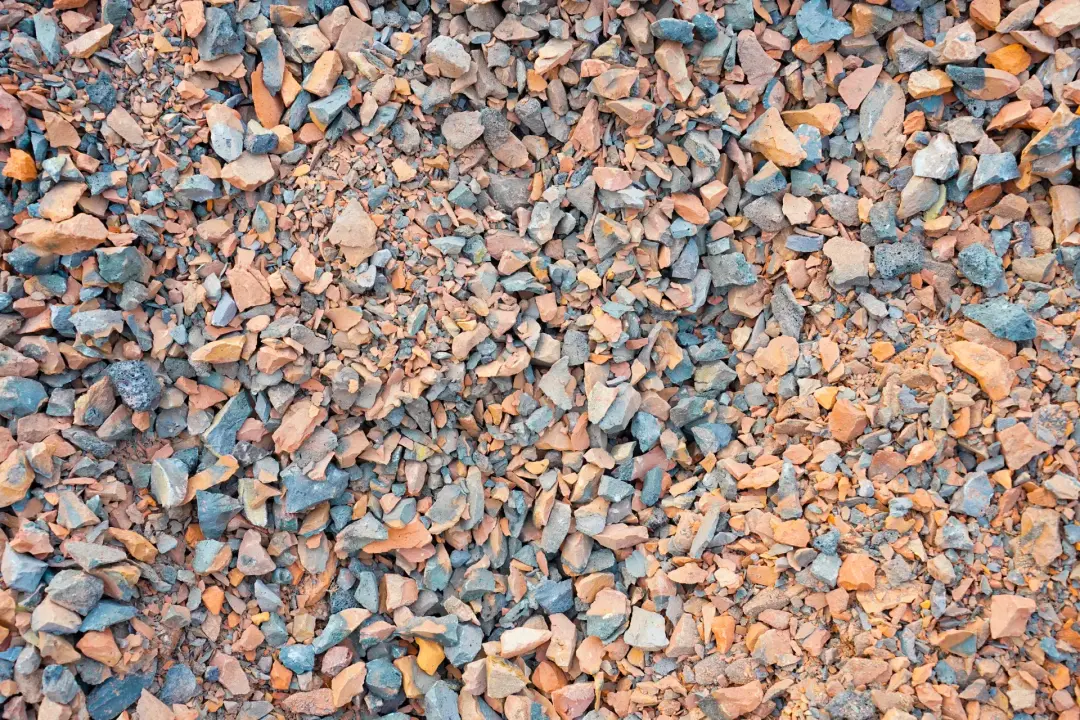
There are many forms of aggregate, but they can generally be divided into several broad groups. Crushed stone is produced by breaking larger rock into smaller pieces. The resulting material is often angular, which allows the pieces to lock together when compacted.
Gravel is available in a range of sizes and can have a more rounded appearance. It is commonly used for decorative surfaces, paths, driveways and drainage, depending on its size and specification.
Sand consists of much finer particles. Different forms of sand may be used for laying paving, producing mortar, making concrete and completing other building work. The correct type is important because particle size and shape affect how the material performs.
Recycled aggregates are produced by processing suitable materials recovered from construction and demolition work. Concrete, bricks, asphalt and similar materials may be crushed and screened so they can be used again instead of being treated simply as waste.
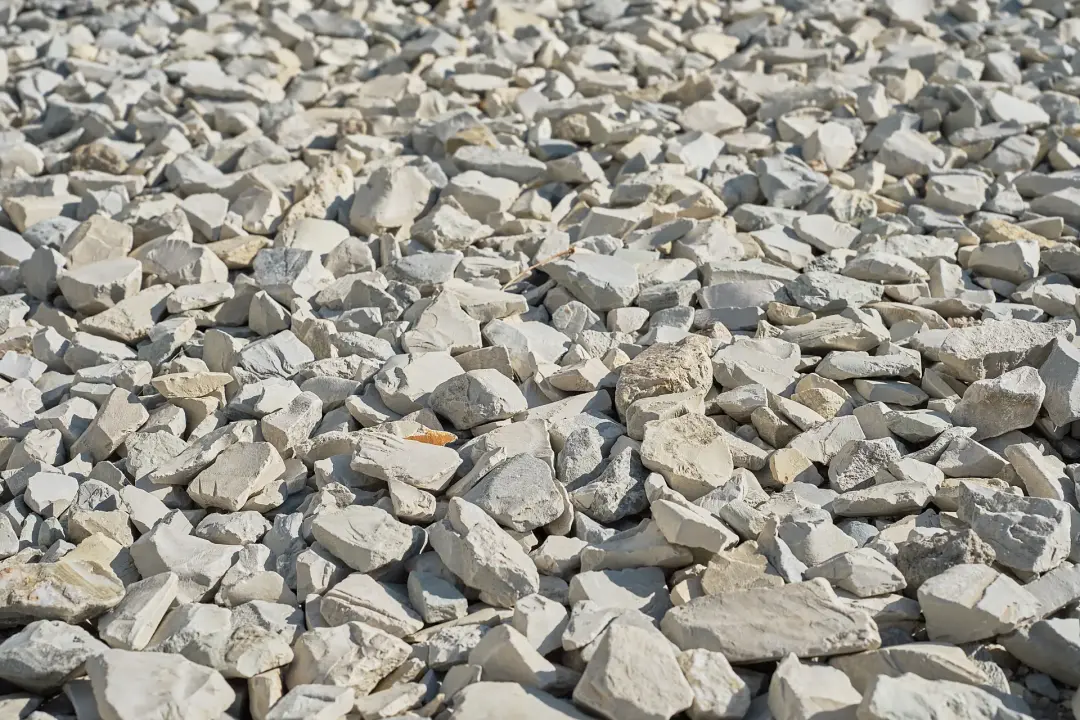
The scale of aggregate recycling is significant. The Mineral Products Association estimates that 74.7 million tonnes of recycled and secondary aggregates were used in Great Britain during 2024. This represented just under one third of the overall construction aggregate supply.
Using recycled material can therefore be a practical choice for many projects. However, it still needs to meet the requirements of the intended use. The fact that an aggregate is recycled does not automatically make it suitable for every application.
Always check the material description and specification before ordering, particularly where the aggregate will form part of a structural base or engineered construction.
Choosing Aggregates for a Driveway
A driveway needs a strong and stable base because it must support repeated vehicle loads. The aggregate used beneath the finished surface normally needs to compact firmly and spread weight across the ground below.
Angular crushed materials are often useful for base layers because the pieces can fit closely together during compaction. This creates a much firmer layer than loose rounded stones that can move against one another.
If gravel will form the visible driveway surface, consider the size and shape carefully. Very small or rounded stones may move easily beneath vehicle tyres. A suitable angular material can remain more stable, although some movement should still be expected with any loose surface.
Drainage must also be considered. Water should not be allowed to collect beneath the driveway, where it could weaken the base or contribute to movement. The complete driveway design should therefore account for the ground conditions, slope and expected water flow rather than relying on the surface aggregate alone.
Choosing Aggregates for Paths and Patios
Paths and patios normally carry lighter loads than driveways, but they still require a properly prepared foundation. A stable aggregate base can help prevent paving from moving or becoming uneven.
The depth and type of base will depend on the ground, the paving material and the amount of use. Soft or disturbed ground may need more preparation than firm and well-drained ground.
Fine aggregates can also have an important role when laying paving. The material immediately beneath the paving should be suitable for the chosen installation method and should provide an even, supportive layer.
For loose gravel paths, comfort is another consideration. Very large or sharply shaped stones can be difficult to walk across, while very fine material may be easily disturbed. Choosing a practical size makes the path easier to use and maintain.
Choosing Aggregates for Drainage
Drainage aggregates need enough open space between the individual pieces to allow water to move through the material. This means an aggregate containing a high proportion of very fine particles may not be suitable where free drainage is the main requirement.
Clean, appropriately sized gravel or crushed stone can be used around drainage pipes, in trenches and in other areas where water needs a route through the ground.
The exact material depends on the drainage system. The aggregate should not contain excessive fine material that could restrict water flow, and it should be suitable for use around any pipes or drainage products being installed.
Drainage should be considered as a complete system. Using free-draining stone will not solve a problem if the water has nowhere suitable to go once it passes through the aggregate.
Choosing Aggregates for Concrete
Aggregates form a major part of concrete, so their quality, grading and cleanliness can affect the finished material. Concrete normally contains a combination of fine and coarse aggregate together with cement and water.
The particles need to work together so that the mix can be placed correctly while providing the required strength once hardened. Aggregate that contains unsuitable soil, organic material or other contamination can affect the performance of the concrete.
The size of aggregate also needs to suit the concrete application. Reinforcement spacing, section thickness and the required finish can all influence the material selected.
For important structural work, concrete should be produced to the required project specification rather than by selecting aggregate based only on appearance or price. Where necessary, follow the guidance provided by the project designer or material supplier.
Aggregate Size Matters
The size of the individual pieces has a major effect on how an aggregate behaves. Larger stones can create more open spaces between particles, while smaller material may create a tighter surface.
A mix of particle sizes can be useful where a compacted base is needed. Smaller pieces help fill the spaces between larger stones, allowing the material to form a dense layer when correctly compacted.
By contrast, drainage applications often benefit from material with fewer fine particles. The open spaces allow water to pass through instead of becoming trapped.
Do not choose a size simply because it looks suitable. Consider whether the aggregate needs to compact, drain, support weight or provide a comfortable finished surface.
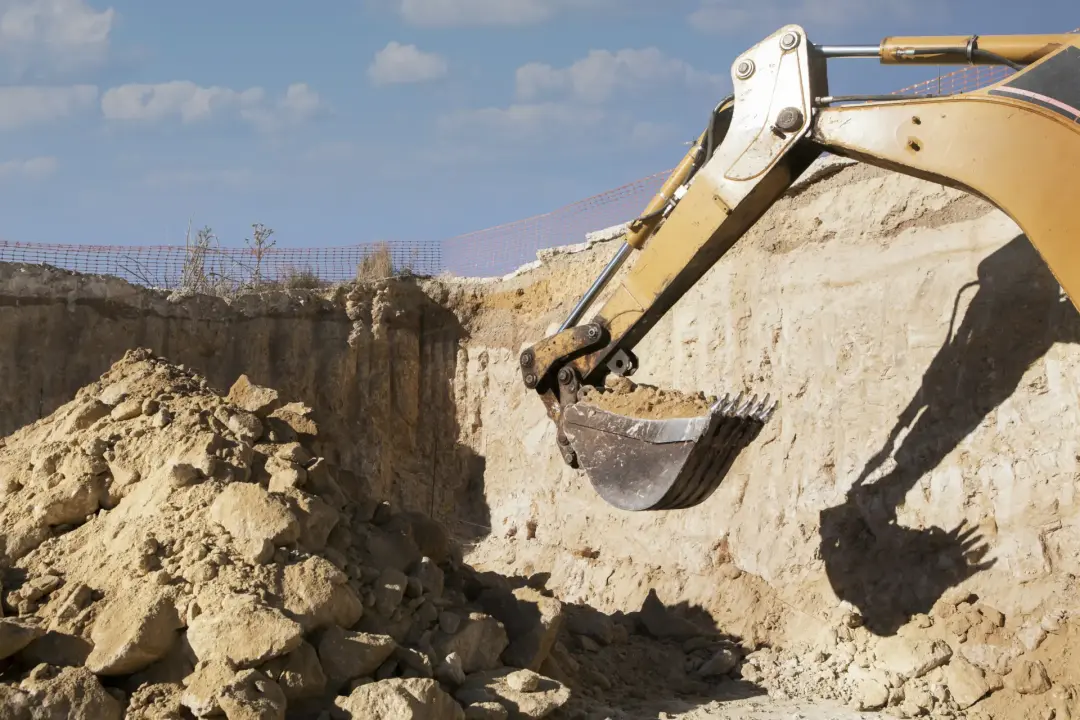
The required depth is just as important as particle size. A strong aggregate may still perform poorly if the layer is too shallow for the expected load or has been placed over unsuitable ground.
Aggregates used in base layers are usually installed in a controlled way and compacted properly. Thick layers may need to be built up in stages so that the material is compacted throughout rather than simply pressed at the surface.
If you are unsure about the required depth, provide the aggregate supplier with information about the project, ground conditions and intended use before ordering.
Think About Strength and Compaction
Projects that carry weight need aggregates capable of forming a reliable foundation. This is especially important for driveways, access routes, hardstanding and areas beneath paving.
Angular aggregate is often selected for compacted bases because the individual pieces can lock together. Proper compaction reduces empty spaces and creates a firm layer that is better able to distribute loads.
The aggregate cannot make up for poor preparation underneath. Soft soil, buried organic material and areas that have not been compacted can cause settlement even when a good quality aggregate is placed above them.
Prepare the ground properly, remove unsuitable material where necessary and install the aggregate to the correct depth. Each of these stages contributes to the strength of the finished project.
Consider Drainage and Ground Conditions
Ground conditions can change which aggregate is most suitable. Free-draining ground may behave very differently from heavy soil that holds water for long periods.
Before choosing a material, look at what happens to the area after heavy rain. Standing water, soft patches and existing drainage problems should be dealt with as part of the project design.
Where water is expected to pass through an aggregate layer, choose a material with the required drainage properties. Where the aim is to build a dense and stable base, a compactable graded material may be more appropriate.
Water management is particularly important around buildings. New surfaces should not direct unwanted water towards walls, entrances or neighbouring land.
Decorative Aggregates for Landscaping
Decorative aggregates can add colour, texture and contrast to gardens and outdoor spaces. They can be used around planting areas, along paths, beside patios and as a surface treatment in other landscaped areas.
Appearance is important, but practical issues should also guide the decision. Consider how the aggregate feels underfoot, whether it will remain in position and how easily leaves and other garden waste can be removed.
Stone colour can also appear different when wet. If appearance is particularly important, viewing a physical sample before ordering can give a better idea of how the finished area will look in different conditions.
Think about the surrounding materials as well. The colour and texture of the aggregate should work with paving, walls, brickwork, fencing and planting rather than being considered on its own.
Should You Choose Primary or Recycled Aggregate?
Primary aggregates are obtained from natural mineral sources, including quarried rock and sand and gravel deposits. Recycled aggregates are produced by processing suitable materials that have already been used in construction or other activities.
Both can have useful roles. The correct choice depends on the required specification rather than simply whether the material is new or recycled.
Recycled and secondary aggregates now make a substantial contribution to construction supply. Mineral Products Association figures for 2024 estimate that they provided just under one third of construction aggregates used in Great Britain.
When considering recycled aggregate, check its source, grading and suitability for the intended work. A well-processed recycled material that meets the project requirements can be a practical way to make use of existing resources.
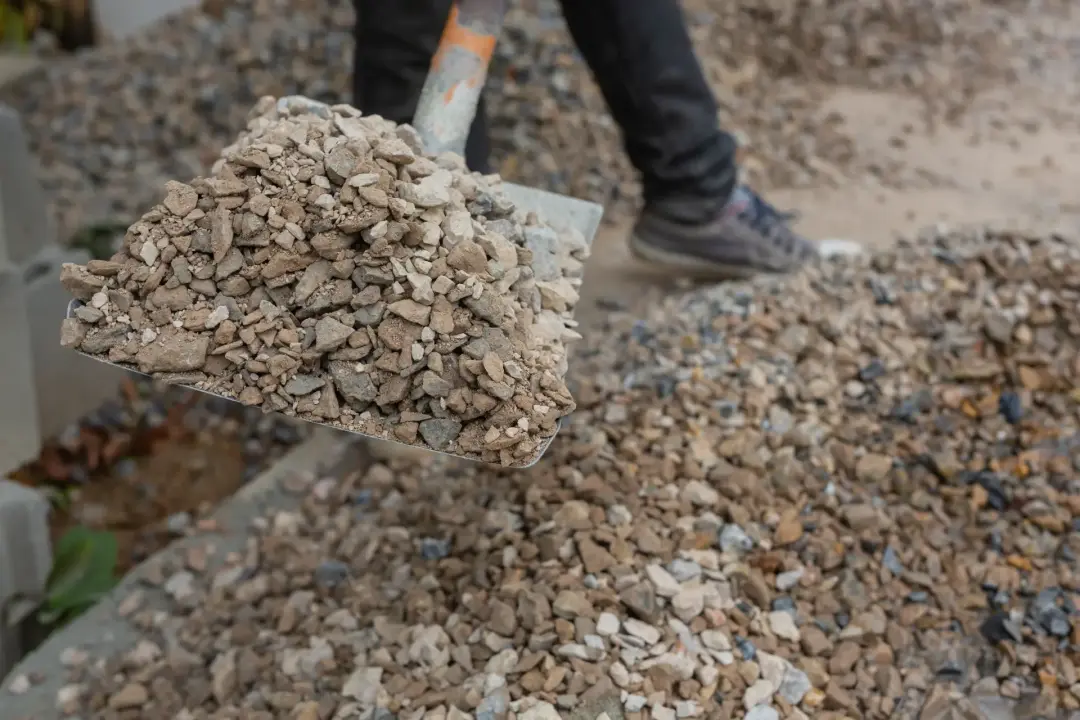
The Great Britain Aggregate Minerals Survey for 2023, published by the government in August 2025, also shows how aggregate supply varies between different parts of the country.
The availability of crushed rock, land-won sand and gravel and marine-dredged material depends partly on local geology and permitted mineral resources. This means the materials commonly available in one region may differ from those supplied elsewhere.
Using an appropriate material available from a suitable local source may help simplify transport and delivery, provided it meets the requirements of the project.
Check the Aggregate Specification
Two aggregates that look similar may have different properties. Before ordering, check how the product is graded, what materials it contains and which applications the supplier recommends.
This is especially important for structural work and compacted bases. Choosing purely by colour, stone size or price may result in material that does not perform as expected.
Ask the supplier whether the aggregate is suitable for your specific use. Explain whether it will sit beneath paving, carry vehicles, provide drainage, form part of concrete or remain visible as a decorative surface.
For work completed to a formal construction specification, make sure the supplied aggregate matches that specification rather than substituting another material without approval.
Calculate How Much Aggregate You Need
Ordering the correct amount reduces the risk of work stopping while additional material is delivered. It can also prevent large amounts of unused aggregate being left at the end of a project.
Start by measuring the length and width of the area. You will then need to consider the required depth of the aggregate layer. Irregular areas can be divided into smaller sections and measured separately.
Remember that loose aggregate can settle during installation and compaction. The amount delivered may therefore appear different once the material has been spread and compacted.
Aggregate is commonly sold by weight, while project measurements may be calculated by volume. Different materials have different densities, so there is no single conversion that applies accurately to every aggregate. Give your measurements and required depth to the supplier so they can help estimate the quantity required.
Plan Where the Aggregate Will Be Delivered
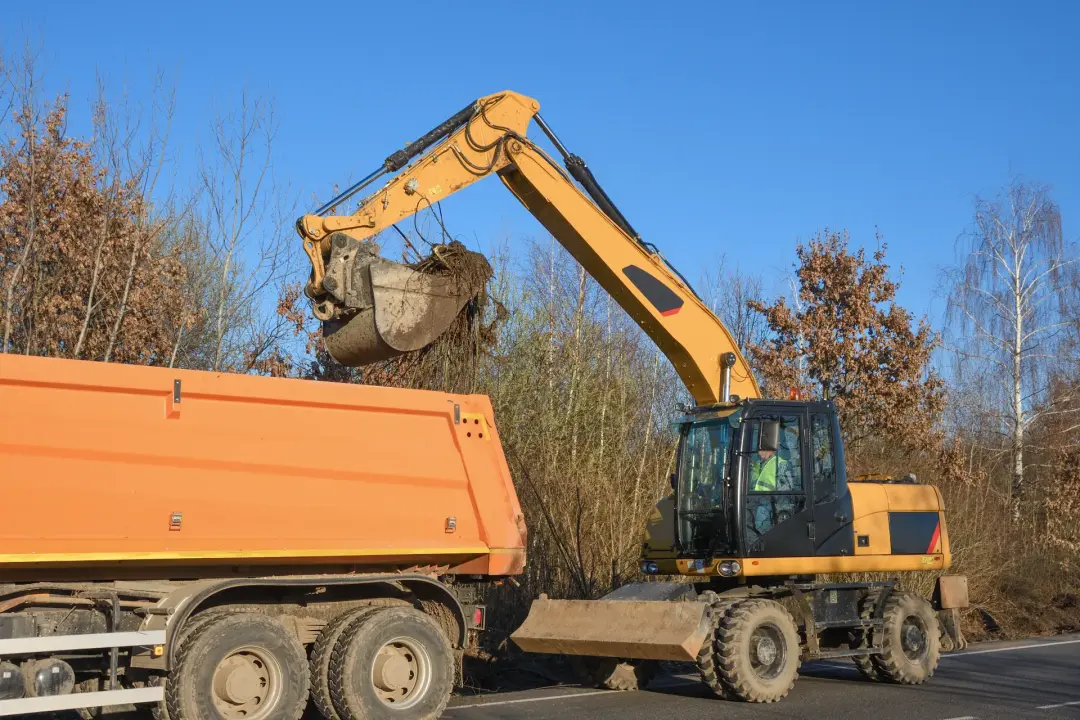
Delivery arrangements should be considered before placing an order. Aggregates are heavy, and moving a large quantity by hand from the wrong part of the site can add considerable work.
Identify a suitable unloading area that can be reached safely by the delivery vehicle. The surface should be firm enough for the vehicle, with enough width and height clearance for safe access.
Consider gates, parked vehicles, trees, cables, narrow roads and weak surfaces. The supplier should be told about any access restrictions before the delivery is arranged.
Where possible, have the material placed close to the working area without blocking entrances, pavements, roads or other parts of the site that need to remain accessible.
Avoid Choosing on Price Alone
Price matters, especially when a project requires a large volume of material, but the cheapest aggregate is not always the most suitable option.
An unsuitable product may move, drain poorly, fail to compact properly or require replacement earlier than expected. Correcting these problems can cost much more than choosing a suitable material at the beginning.
Compare materials based on their specification, suitability, delivered quantity and delivery cost. It is also useful to check whether the quoted amount includes delivery and whether there are any access conditions that could affect the final cost.
The aim should be to select a material that performs correctly for the expected life of the project rather than focusing only on the initial price.
Common Mistakes When Choosing Aggregates
One common mistake is choosing an aggregate because it looks right without checking whether it is suitable for the intended use. Decorative stone, drainage gravel and compacted base material perform different jobs even when the individual pieces appear similar.
Another mistake is failing to consider the ground beneath the aggregate. A strong material placed over weak or waterlogged ground may still move and settle.
Incorrect depth can also cause problems. Using too little material may create a weak layer, while ordering far too much can increase costs unnecessarily.
Finally, access and delivery should not be left until the last moment. Knowing where the aggregate will be unloaded and how it will reach the working area can prevent delays and additional manual handling.
Questions to Ask Before Ordering Aggregates
Before placing an order, confirm what the aggregate will be used for and whether the supplier recommends it for that purpose. Check the particle size, grading and material type, particularly where it will be compacted or used for drainage.
Measure the area and work out the required layer depth. Ask how the material is sold and whether the supplier can help convert your measurements into an estimated order quantity.
You should also confirm the delivery method, vehicle size and access requirements. If your property has a narrow entrance, restricted road access or limited space for unloading, explain this when ordering rather than when the vehicle arrives.
Taking a little time to check these details can help ensure you receive the correct aggregate, in the correct quantity, at the right stage of the project.
Making the Right Choice for Your Project
The right aggregate depends on the job it needs to perform. A driveway requires strength and stability, drainage systems need water to move freely, concrete needs correctly selected components and landscaping projects often need to balance appearance with practical use.
Consider the purpose, ground conditions, particle size, required depth, drainage, expected loads and finished appearance before making your decision. Where the project has a formal construction specification, always select material that meets those requirements.
Accurate measurements and good delivery planning are equally important. Choosing the correct material is only one part of the process. It must also be ordered in a suitable quantity, delivered safely and installed correctly.
Providing your aggregate supplier with clear information about the project allows them to recommend suitable options and helps reduce the chance of ordering the wrong material.
Choosing the right aggregate can improve the strength, drainage, appearance and long-term performance of your project. HF Grab Hire supplies practical aggregate solutions for construction, landscaping and groundwork projects. Contact the team to discuss the material and quantity you require. Get in contact for Aggregates Delivery in Croydon, Crawley, Sutton and surrounding areas.