Discover the common uses of aggregates in construction, from concrete and road building to drainage, foundations and landscaping, and learn why these materials are essential to modern building projects.
What Are Construction Aggregates?
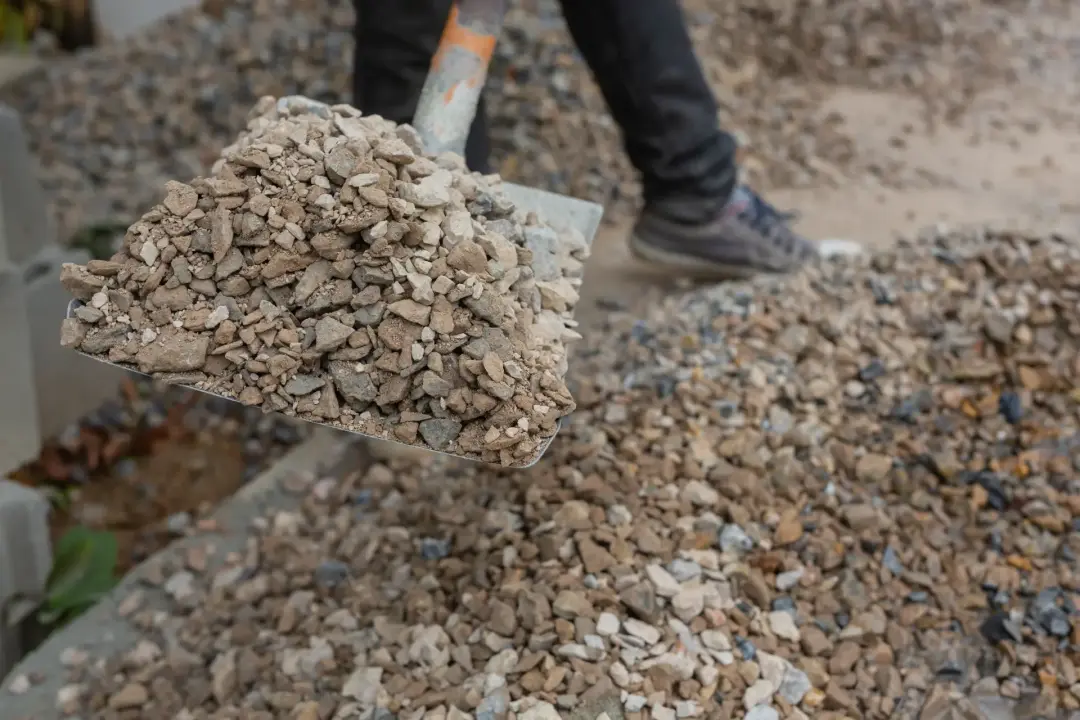
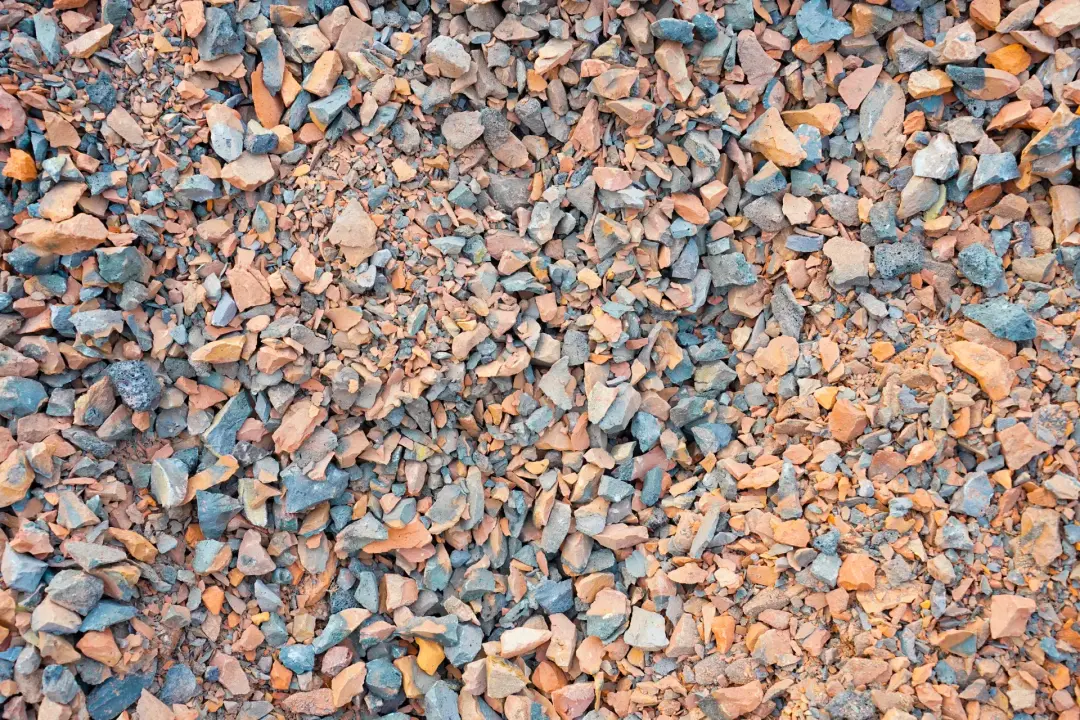
Aggregates are granular materials used throughout the construction industry. Common examples include sand, gravel, crushed stone, limestone and recycled concrete. They may be used on their own or mixed with other materials to produce products such as concrete, mortar and asphalt.
Different aggregates have different sizes, shapes and physical properties. Fine aggregates, such as sand, contain smaller particles, while coarse aggregates include larger pieces of gravel and crushed rock. The correct material depends on how it will be used and the strength, drainage or finish required.
Aggregates are needed for projects ranging from small garden improvements and home extensions to major roads, buildings and infrastructure. Their widespread use makes them one of the most important groups of construction materials.
The scale of demand is considerable. Mineral Products Association figures show that 122 million tonnes of primary aggregates were sold in Great Britain during 2025, even though this was the lowest annual level since 2013.
Read related articles:
Using Aggregates in Concrete
Concrete is one of the main uses for construction aggregates. It normally combines cement, water, fine aggregate and coarse aggregate. Once mixed and allowed to harden, these materials form a strong product that can be used for buildings, foundations, floors and many other structures.
Sand normally fills the smaller spaces within the mixture, while gravel or crushed stone forms much of its main structure. The size and quality of the aggregate can affect the strength, appearance and performance of the finished concrete.
The importance of concrete can be seen in recent industry figures. In Great Britain during 2024, concrete accounted for around half of land-sourced sand and gravel sales for aggregate use. It also accounted for around 60 per cent of marine-dredged sand and gravel sales for aggregate use.
Concrete aggregates are required for everything from domestic foundations and driveways to bridges, commercial buildings and large engineering projects. Materials must be selected carefully so that the finished concrete meets the requirements of the project.
Aggregates for Roads and Highways
Road construction requires large quantities of aggregate. Crushed rock can be used in several layers, including the foundation below the road and the materials closer to the finished surface.
Aggregates may be laid and compacted as an unbound material or mixed with bitumen to produce asphalt. Different grades are chosen according to their position within the road and the loads they are expected to carry.
The surface layer requires particular attention because vehicles travel directly over it. Suitable stone must provide enough resistance and durability to cope with traffic, weather and repeated wear.
Crushed rock is especially important in this area. Recent Mineral Products Association information identifies road construction as the main use of crushed rock in Great Britain, showing how closely aggregate supply is connected with the road network.
Foundations and Sub-Bases
Aggregates are often used beneath buildings, roads, patios, driveways and other hard surfaces. A layer of compacted stone can create a firm and stable base before the finished construction is added.
A good sub-base helps spread loads across the ground and reduces unwanted movement. This can be particularly important beneath driveways and roads, where the surface must support vehicles without quickly developing dips or other damage.
Crushed stone and recycled materials are commonly used because their different particle sizes can fit together closely when compacted. Correct preparation is important, as an uneven or poorly compacted base can affect everything built above it.
The required depth and type of material depend on the ground conditions and intended use. A small pedestrian path will normally have different requirements from a busy access road or commercial yard.
Aggregates in Mortar
Fine aggregate is an important part of mortar. Sand is mixed with a binding material and water to produce a workable mixture that can be used when laying bricks, blocks and other masonry products.
The sand affects how easily the mortar can be mixed, spread and finished. It must be suitable for its intended use and should not contain unwanted materials that could affect the quality of the finished work.
Mortar provides more than a way of holding bricks together. It helps distribute loads, seals joints and contributes to the appearance of finished masonry. For these reasons, choosing suitable sand is an important part of brick and block construction.
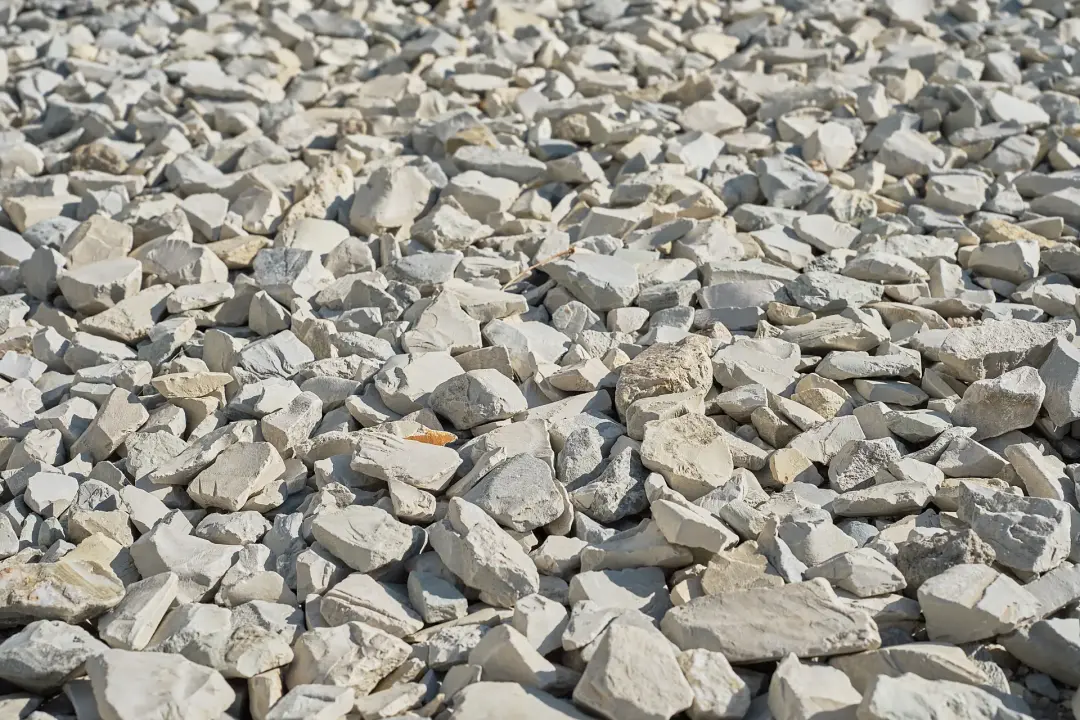
Aggregates can also affect the appearance of finished construction work. Different sands and stones vary in colour, texture and particle size, so the chosen material may influence the final look of mortar, concrete and landscaping.
The material should still be selected for its practical qualities rather than appearance alone. Strength, cleanliness, grading and suitability for the intended application must all be considered.
Where a project has specific performance requirements, the aggregate supplier should be given enough information to recommend an appropriate material.
Drainage and Water Management
Some aggregates are used to help water drain away from buildings, gardens, roads and other areas. Gravel and clean crushed stone contain gaps between individual pieces, allowing water to pass through more freely than it would through compacted soil.
Drainage aggregate may be placed around pipes, beneath drainage systems or in trenches. It can also be used around buildings where controlled movement of water is required.
Suitable material should be clean and correctly sized. Fine particles can fill the gaps between larger stones and reduce the amount of space available for water, which can make an unsuitable aggregate less effective for drainage.
Drainage planning is particularly important where water could otherwise gather around foundations, paved areas or landscaping. The correct aggregate can form one part of a wider system for controlling surface and ground water.
Pipe Bedding and Trenches
Aggregates are commonly used when installing underground pipes, drainage systems and utilities. Selected material can be placed below and around a pipe to create an even bed and provide support.
Using suitable aggregate helps prevent the pipe from resting directly against large stones or uneven ground. Material placed around the sides can also help keep the pipe in position as the trench is filled.
The specification depends on the type of pipe and the work being completed. Some installations require fine material, while others may use carefully graded gravel or crushed stone.
General fill aggregate can then be used in other parts of the trench where appropriate. Correct placement and compaction are important to reduce later settlement.
Aggregates for Driveways, Paths and Patios
Domestic and commercial landscaping projects make extensive use of aggregates. Crushed stone, gravel and similar materials may form a structural base or become the visible finished surface.
For a driveway or patio, compacted aggregate can provide a stable layer beneath paving, concrete or another surface. The material helps spread weight and creates a firm area on which the remaining construction can be completed.
Decorative gravel is also widely used as a finished surface for driveways, paths and garden areas. It is available in different sizes, shapes and natural colours, giving property owners a range of practical design choices.
Loose gravel surfaces must be planned carefully. The depth, edging, ground preparation and expected traffic can all affect how well the finished area performs.
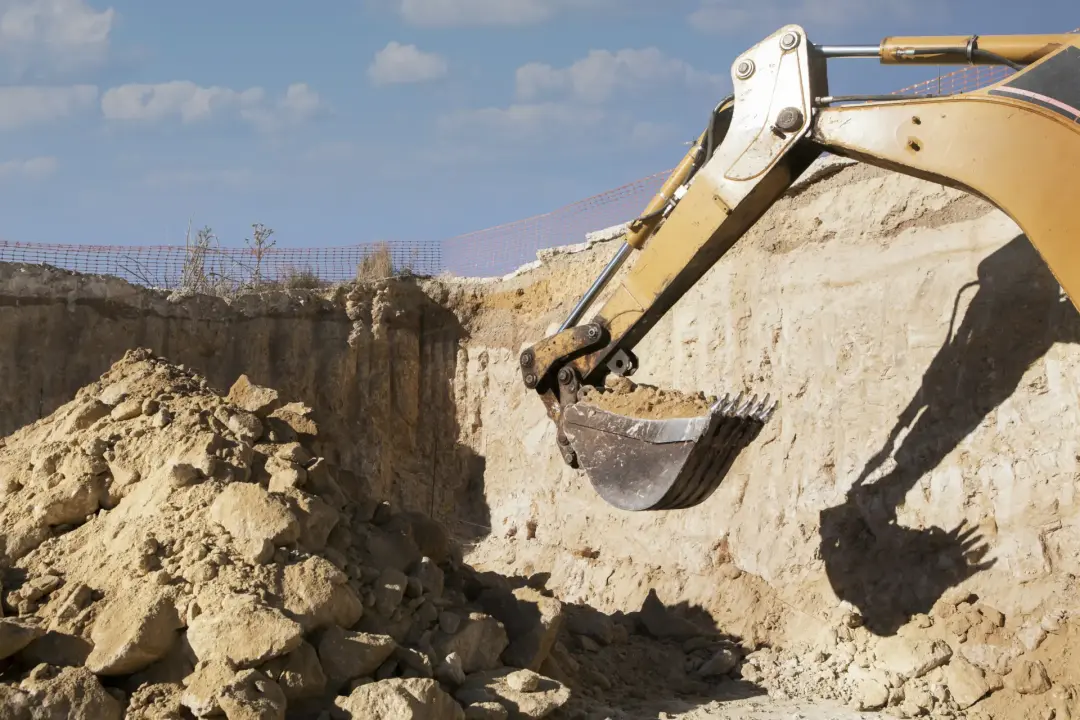
Aggregates used beneath driveways and paved areas are usually compacted in layers. This creates a more stable base than simply tipping a deep layer of loose stone into place.
Ground conditions should also be considered. Weak or waterlogged ground may require additional preparation before the aggregate base is installed.
Choosing the correct material at the start can reduce movement and help the finished surface remain stable under regular use.
Railway Ballast
Crushed rock is used as railway ballast beneath and around railway sleepers. The angular stones help support the track while allowing water to drain through the layer.
Railway ballast must be strong enough to withstand repeated loads and movement from passing trains. Its shape also helps individual pieces lock together while still leaving spaces for drainage.
The material must meet specific requirements because poor quality stone may break down too quickly under heavy use. Regular maintenance can involve replacing or rearranging ballast to keep the track properly supported.
This is another example of aggregates being used for both structural support and water management at the same time.
Aggregates for General Fill
Construction projects often need material to fill excavations, build up ground levels or create stable working areas. Aggregates can provide a controlled alternative to unsuitable soil or mixed site waste.
Fill may be required around foundations, beneath floors, inside trenches or across areas where the site level needs to be changed. The exact material chosen depends on the purpose and whether the area will carry significant loads.
Compaction is usually important. Loose material can settle after construction, so suitable fill is commonly placed in controlled layers and compacted before work continues.
Recycled aggregates can be particularly useful for some fill applications, helping suitable construction materials remain in use rather than being discarded.
Recycled Aggregates in Construction
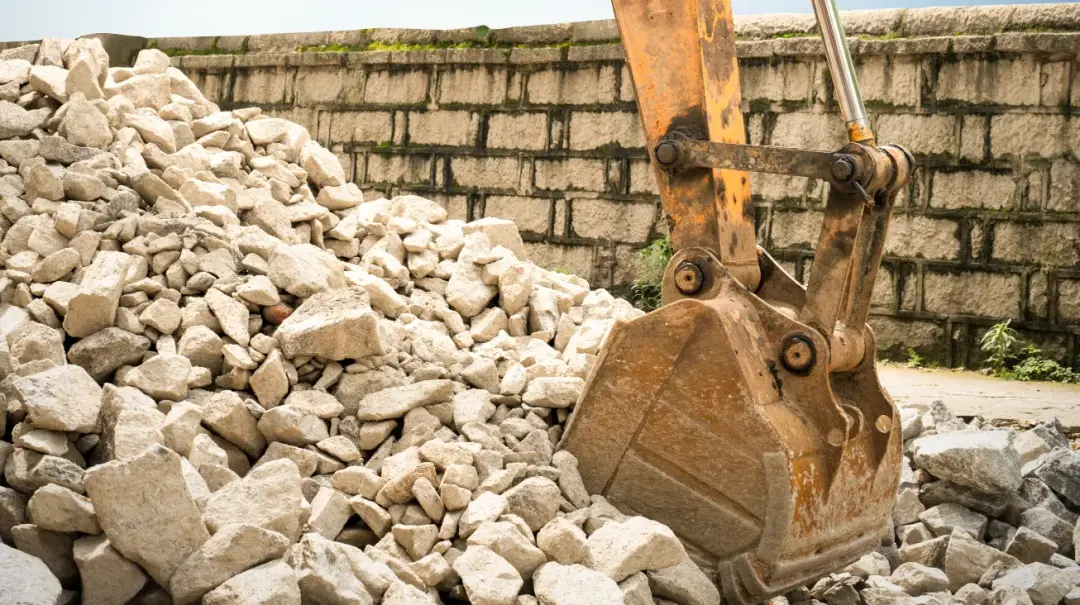
Not all construction aggregates come directly from quarries or marine sources. Materials recovered from demolition and other industries can be processed into recycled or secondary aggregates.
Concrete, bricks and other suitable mineral waste can often be crushed, screened and graded before being used again. Depending on its quality and specification, recycled aggregate may be suitable for sub-bases, general fill, road construction and other applications.
Recycled materials already form a significant part of aggregate supply. Mineral Products Association figures estimate that Great Britain used 74.7 million tonnes of recycled and secondary aggregates during 2024. This represented just under one third of the total supply of construction aggregates.
Using recycled material can reduce the amount of suitable construction waste requiring disposal while reducing demand for newly extracted material. However, recycled aggregates still need to meet the requirements of their intended use.
Aggregates in Landscaping
Aggregates are useful for both practical and decorative landscaping. Gravel, stone chippings and crushed rock can be used for paths, borders, seating areas, driveways and around planting areas.
Decorative stone can create a low-maintenance surface and may help reduce areas of exposed soil. Permeable arrangements can also allow rainwater to move through the surface rather than collecting above it, although the complete construction below the stone must also be designed for drainage.
Larger stones can be used for garden features, while smaller gravel may suit paths and other areas used regularly by pedestrians. The material should be chosen according to its intended use rather than appearance alone.
Landscaping projects may also require aggregates below the visible surface. Sub-base material, drainage stone and pipe bedding may all be needed before decorative work is completed.

Estimating aggregate requirements before ordering can reduce unnecessary deliveries and leftover material. Measurements such as the length, width and planned depth of the area provide a starting point for calculating the volume required.
The amount needed may also change once the aggregate is compacted. Suppliers can provide guidance when given accurate measurements and a clear description of the application.
Projects should also allow suitable space for delivery and storage so that loose material does not block roads, pavements or important access routes.
Choosing the Right Type of Aggregate
There is no single aggregate that is suitable for every construction task. Sand used for mortar is very different from crushed stone intended for a road foundation or gravel selected for drainage.
Particle size is one of the main considerations. Fine materials can fill small spaces and create smoother mixtures, while larger pieces can provide structure and drainage. The shape of each particle can also affect how closely the material locks together when compacted.
Strength and durability matter where an aggregate will carry heavy loads or face regular wear. Cleanliness may be particularly important for drainage, concrete and other applications where unwanted fine material or contamination could affect performance.
The project specification should always be checked before ordering. Contractors and suppliers can then make sure that the material delivered is suitable for its intended construction use.
How Aggregate Demand Is Changing
Aggregates remain essential to construction, but recent sales figures show that demand has been affected by weaker building activity. Mineral Products Association data shows that sales of crushed rock in Great Britain fell by 1.3 per cent during 2025, while sand and gravel sales fell by 1.5 per cent.
The latest available figures show further changes during the second quarter of 2026. Compared with the previous quarter, crushed rock sales fell by 3.3 per cent and sand and gravel sales fell by 1.6 per cent.
These figures reflect overall market demand rather than a reduction in the number of uses for aggregates. Homes, roads, drainage systems, railways, commercial buildings and infrastructure still depend on large quantities of mineral materials.
Long-term supply is therefore an important consideration. Recent industry data also shows that new permissions for sand, gravel and crushed rock reserves have not replaced extracted material at the same rate over the past decade.
Managing Leftover Aggregates and Construction Waste
Construction work does not always use every tonne of material delivered to a site. Excavation and demolition can also produce soil, broken concrete, bricks, stone and other mineral waste that needs to be removed.
Reusable materials should be kept separate where possible. Clean concrete, rubble and hardcore may be suitable for recycling, while mixed or contaminated waste can require a different treatment route.
Keeping separate piles can make collection easier and reduce contamination. It also gives waste processors a better opportunity to recover useful material and return it to construction applications.
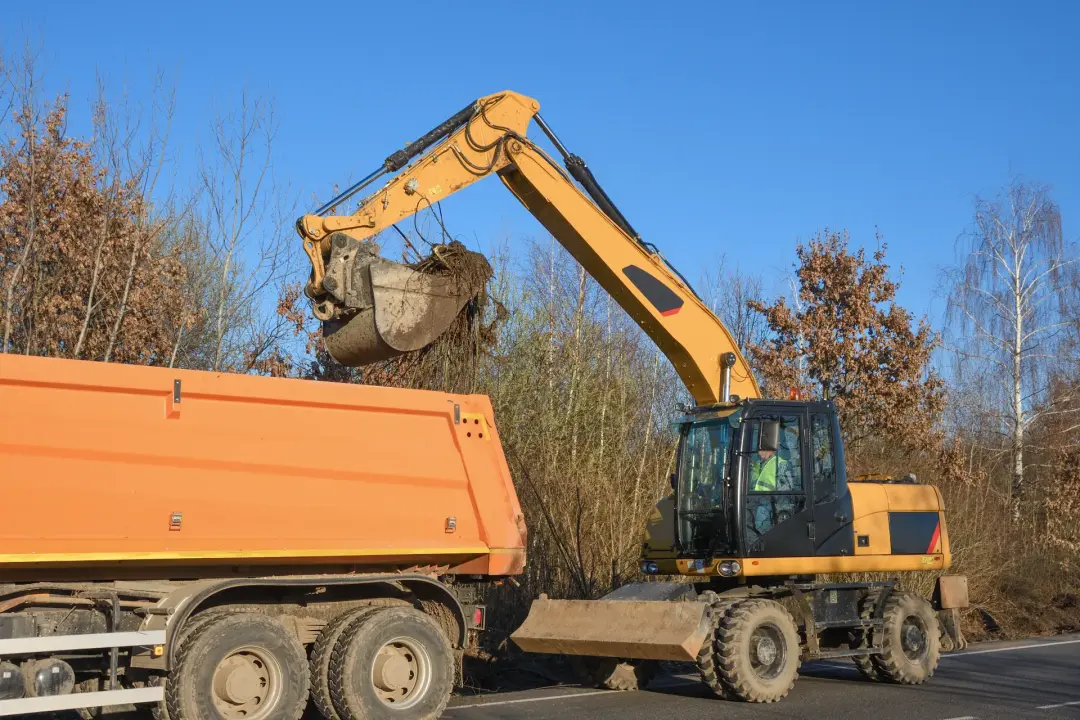
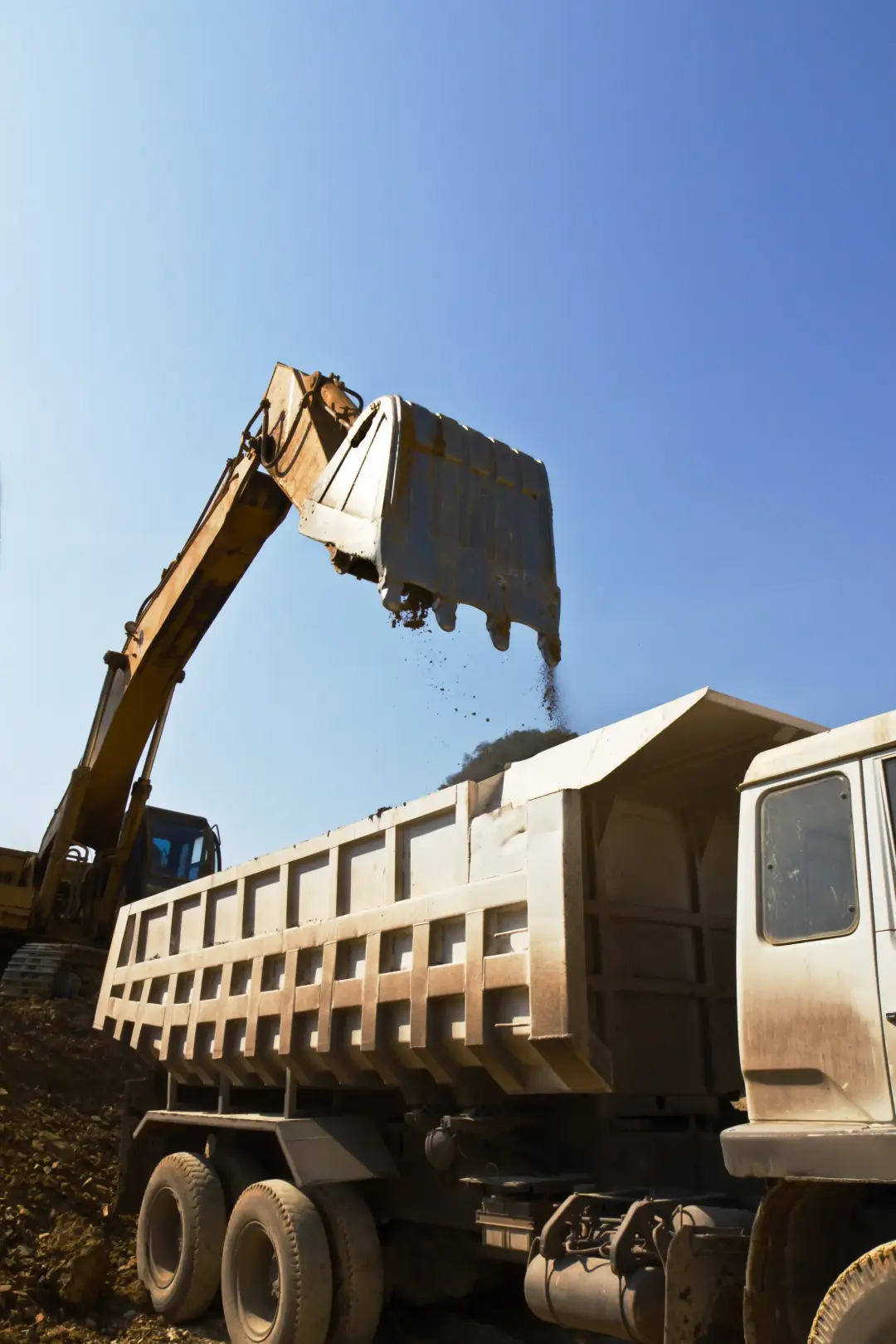
Heavy loose materials can be difficult to load manually. Where site conditions allow, a grab lorry can collect soil, rubble, stone and other suitable material directly from a prepared pile using its hydraulic arm.
Why Aggregates Remain Essential to Construction
Aggregates perform many different jobs across a construction project. They strengthen concrete, provide stable foundations, support roads and railway tracks, improve drainage, fill trenches and create finished landscaping surfaces.
The wide range of uses means choosing the correct material is important. Size, strength, grading, cleanliness and drainage properties can all influence how well an aggregate performs.
Recycled and secondary materials are also becoming an established part of supply, allowing suitable construction and industrial materials to be processed and used again.
Whether a project involves a small driveway or major infrastructure, careful selection, delivery, storage and removal of aggregate materials can support safer and more efficient construction.
HF Grab Hire provides aggregate delivery services for projects in Croydon, Crawley and Sutton, helping you remove suitable heavy and bulky materials efficiently.