
Wondering when should I use grade B topsoil? Grade B topsoil can be a practical choice for many garden and landscaping projects, especially when you need to fill, level, or build up the ground. This article explains when Grade B topsoil is suitable, where it may not be suitable, and how it can support larger outdoor projects.
What Is Grade B Topsoil?
Grade B topsoil is a practical type of soil that's used for general landscaping, filling, and ground preparation. It's typically not as fine or as clean as Grade A topsoil, but it still has many uses. Grade B topsoil is often used to add soil depth, improve soil levels, or prepare an area of land before a finishing layer is added.
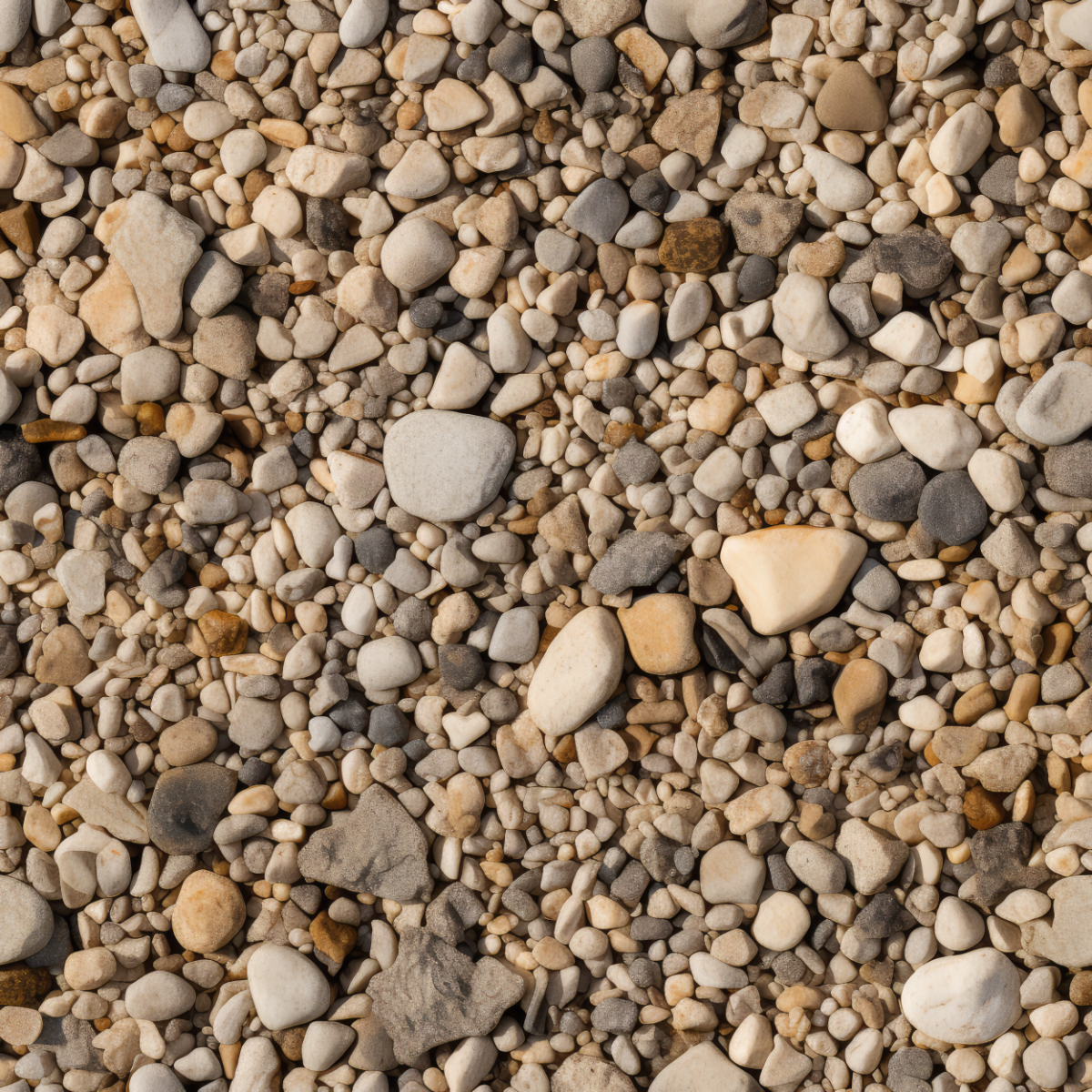
Grade B topsoil may contain more stones, roots, and natural material than Grade A topsoil, which means it's not always the best choice for delicate planting, vegetable beds, or areas where a neat finish is needed. However, it can still provide a strong base for larger landscaping jobs. This is because this type of topsoil is ideal for filling dips, raising ground levels, shaping garden areas, and supporting new layouts. It can also be added underneath turf, paving, gravel, or a final layer of Grade A topsoil, which makes it a cost-effective choice when a large amount of soil is needed.
How Grade B Topsoil Differs From Grade A Topsoil
Grade B topsoil mainly differs from Grade A topsoil in terms of quality, texture, and how it's used. Grade A topsoil is usually the cleaner and finer option, and it's often screened to remove stones, roots, and unwanted material, which makes it better for planting, flower beds, raised beds, and borders.
On the other hand, Grade B topsoil is better suited to practical groundwork. Plus, it may contain more stones, roots, and natural material, so it isn't generally used for delicate planting or neat finishes. However, this doesn't mean it has no value; if anything, Grade B topsoil can be very useful for filling in dips, raising ground levels, shaping uneven ground, and preparing large areas for landscaping.
Grade B topsoil is often more affordable than Grade A, which makes it a good choice when a large amount of soil is needed. In simple terms, Grade A topsoil is better for growing plants, while Grade B is better for building and levelling.
When Grade B Topsoil Is a Good Choice
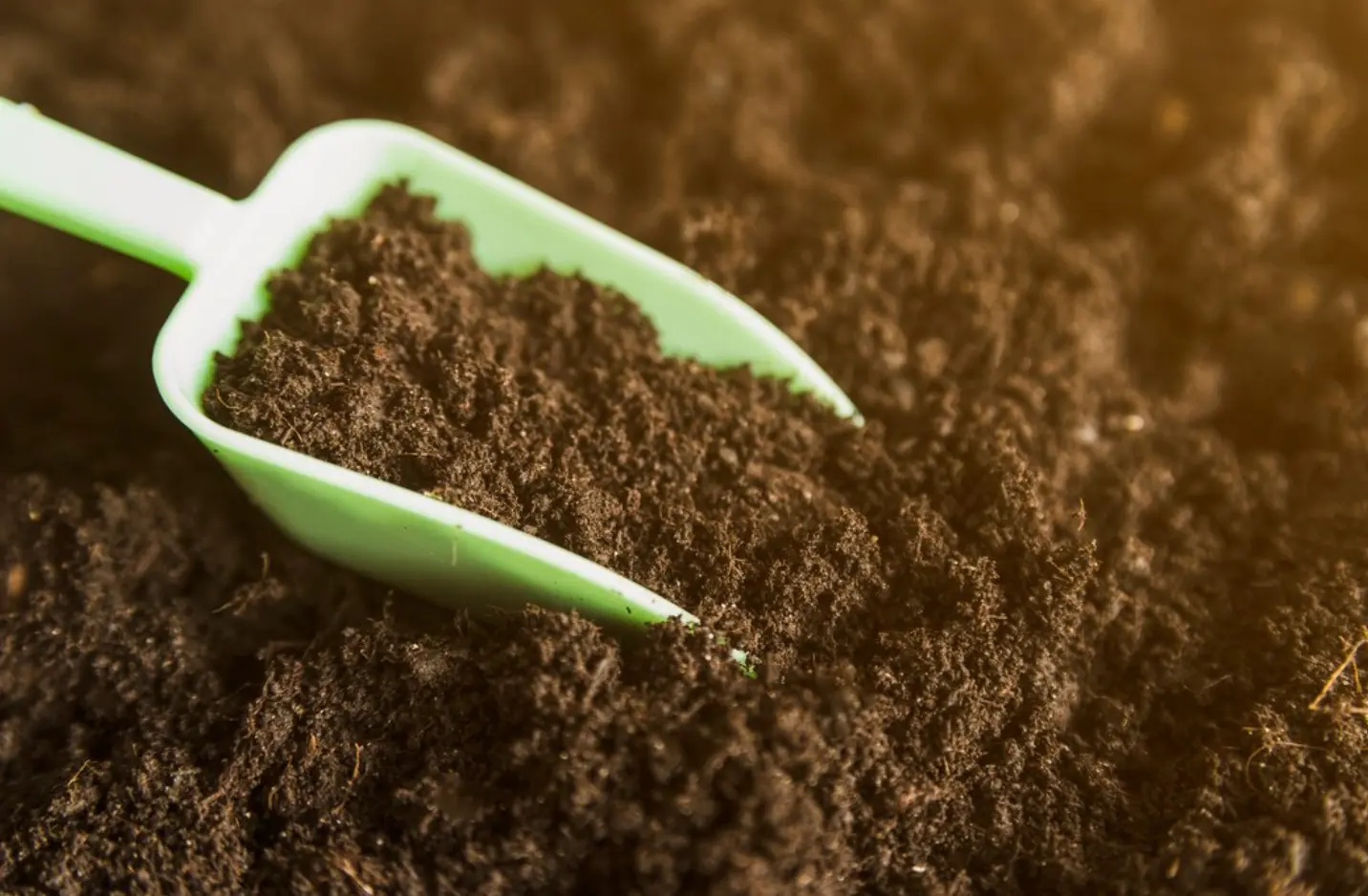
Grade B topsoil is a good choice for landscaping when the main aim is to build up, level, or shape the ground rather than create a good growing surface.
Compared to Grade A topsoil, Grade B usually contains more stones, roots, or natural material, which means it's not always the best for flower beds, vegetable patches, or lawn finishes.
However, Grade B topsoil is often used for filling in dips, raising ground levels, improving uneven areas, and preparing a landscape. It can also be used underneath turf, gravel, paving, paths, or Grade A topsoil to create a practical base.
Using Grade B Topsoil for Levelling Ground
Using Grade B topsoil for levelling the ground can be a practical and cost-effective choice, especially when a large area needs improving. Uneven ground can make gardens harder to use, create slip risks, cause water to collect and pool, and make mowing or landscaping more difficult. Grade B topsoil helps by adding volume to low areas and building up the ground so that it sits at a more even level.
Grade B topsoil is often used as a base layer because it can be spread across dips, hollows, and uneven patches, then raked and compacted to form a firm, stable base. Once the area has been shaped, a finer layer of Grade A topsoil can be added if the ground will be used for turf, flower beds, or planting.
Filling Low Areas in a Garden
Grade B topsoil is great for filling in low areas of a garden because it adds bulk, depth, and support. Low areas can make a garden look uneven, and they can cause water to collect and pool after it's rained, which can lead to muddy patches, poor drainage, and weaker grass or plants. Filling in these dips with Grade B topsoil can help raise the ground and create a more even surface.
Grade B topsoil is often used for practical groundwork because it can contain stones, roots, and natural material, which makes it suitable for building up areas rather than creating the final planting layer. It can be spread into hollows, raked across the surface, and lightly firmed down to create a strong base, and once the low area has been raised, a layer of Grade A topsoil can be added on top to give the garden more strength and a better finish.
Building Up Soil Depth Before a Final Layer
Many garden and landscaping projects need extra depth added before any turf, grass, gravel, or paving can be laid down. Grade B topsoil can be used as a base layer to raise the ground level, fill in shallow areas, and improve the shape of the ground, and once it's been spread and firmed, it can create a stable base for the next stage of the project.
This is useful for UK gardens since the established soil may be thin, uneven, compacted, or damaged by building work. Adding Grade B topsoil first can make the area easier to level and prepare, and it gives the project more support and a better growing surface.
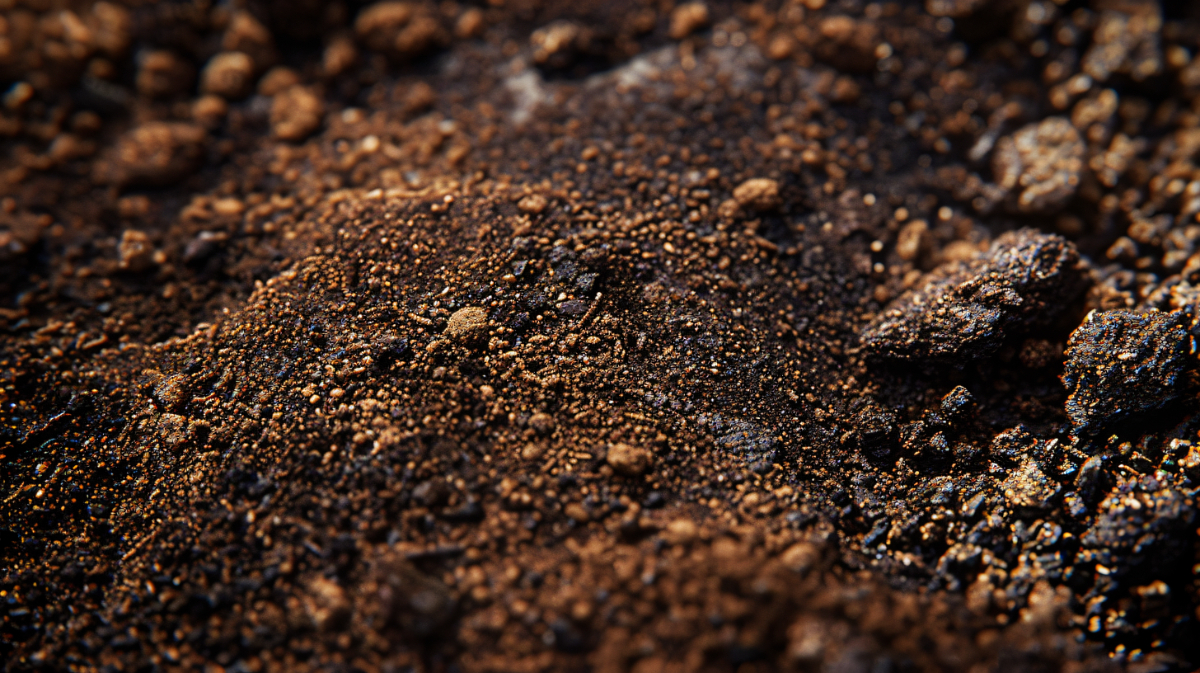
Using Grade B Topsoil Under Turf
Turf needs a level and stable base, and using Grade B topsoil is a great way to achieve this. Grade B topsoil is often more affordable than Grade A, which can be useful when a large amount of soil is needed.
Additionally, instead of using purely premium soil for the full project, Grade B can be used as the base layer, while Grade A topsoil can be added on top.
Grade B topsoil can also help improve the soil depth, too, which is perfect if the existing ground is thin, compacted, or uneven. Adding depth gives the turf a better base and helps reduce the amount of bumps and hollows after it's been laid down.
When Grade B Topsoil May Not Be Suitable
Grade B topsoil may not be suitable for landscaping projects if a fine finish, strong plant growth, or a clean soil surface is needed. In the UK, it's usually better to fill, level, and build up the ground with Grade B topsoil rather than simply use it to create the final growing layer.
This is because it contains more stones, roots, and natural material than Grade A topsoil, which can make planting harder and affect the appearance of the finished area. Turf and grass seed also need a smooth, even surface so that their roots can settle properly. So if the soil is too coarse or stony, the lawn may look uneven and become harder to mow and maintain.
Why It May Not Be Best for Delicate Plants
Grade B topsoil may not be the best choice for delicate plants in the UK because it's usually made for general groundwork rather than planting. It can contain stones, roots, clumps, and natural material, which can make it harder for small or fragile roots to spread through the soil. Delicate plants often need a softer, finer, and cleaner growing area, so if the soil is too coarse, the roots may struggle to settle, and water may not move through the bed evenly.
Some plants can also be more sensitive to poor soil structure, low nutrients, or uneven moisture levels, and this can lead to weak growth, yellowing leaves, or plants failing to grow properly. Grade B topsoil can still be used underneath the planting area, especially if you're building the area up, adding depth or levelling the ground. However, it's usually better to add a layer of Grade A topsoil on top so that flowers, young plants, herbs, and other delicate plants can grow properly.
Checking for Stones, Roots, and Other Material
It's important to check your Grade B topsoil for stones, roots, and other material before using it in a garden or landscaping project. Start by spreading out a small amount on a flat surface and looking through it by hand or with a rake. Check for large stones, thick roots, glass, plastic, metal, or any other waste that shouldn't be in the soil. Whether these materials need to be removed or not depends on your project.
If the Grade B topsoil is being used for filling holes, raising ground levels, or shaping a landscape, small stones and natural roots may not be a major problem because they can add bulk and structure to the lower layers. However, larger stones and long roots should usually be removed because they can make the ground harder to level and they can cause bumps.
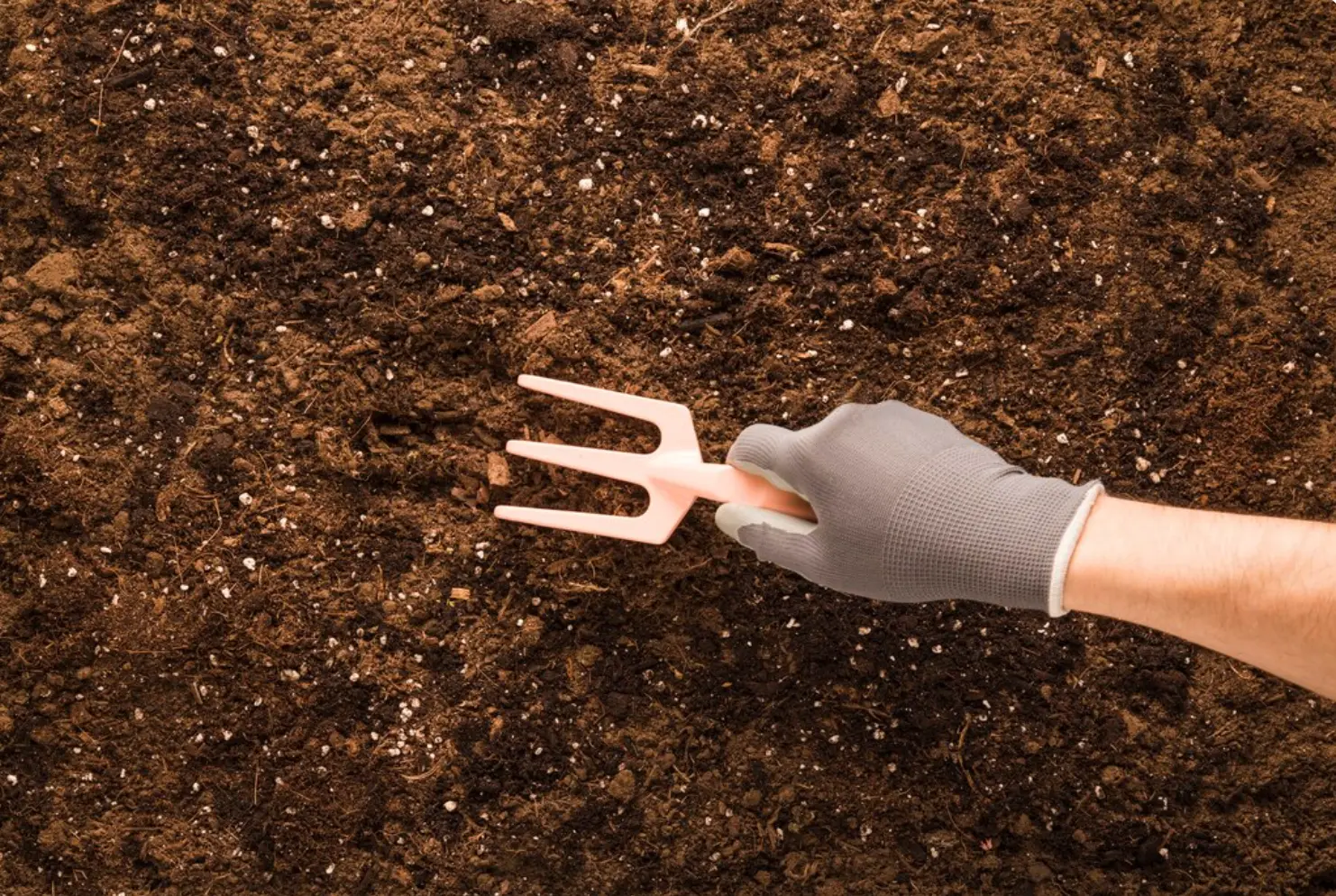
How Screened Grade B Topsoil Can Help
Screening Grade B topsoil can be useful for landscaping projects because it can help you get a better balance between value and usability. Screening helps remove large stones, roots, clumps, and unwanted material from the soil, making it easier to spread, rake, and level across a garden or site.
One of the main benefits of screening is that it gives you a cleaner and more workable base than unscreened soil would, while also costing less than Grade A topsoil. This makes it ideal for larger jobs where a ton of soil is needed, such as filling in low areas, raising ground levels, and shaping garden areas.
Understanding Soil Texture and Drainage
Grade B topsoil can affect your soil texture and drainage in useful ways, depending on how and where it's used. Many gardens in the UK have heavy clay-based, compacted, or uneven soil, which can cause water to sit and pool on the surface, especially after long periods of rain.
Grade B topsoil contains natural materials, which can change the feel and structure of the ground, and when it's used as a lower base layer, it can add depth to the soil and make it less thin or compacted. This can help shape the ground better and reduce any low spots where water may collect.
Using Grade B Topsoil for Large Garden Projects
Large projects often need a lot of soil for filling, levelling, shaping, and building up the ground. Grade B topsoil can provide this volume at a lower price than Grade A topsoil, and it's great for filling in dips, raising low areas, creating new garden levels, and preparing the landscape before turf, gravel, paving, or planting areas are added. Grade B's more basic texture means that it's often better suited to groundwork than final decorative areas, but it can still form a strong and practical base.
Why Grade B Topsoil Can Be a Cost-Effective Option
Grade B topsoil is typically a more cost-effective option compared to Grade A topsoil because it's used for practical groundwork rather than high-quality planting. Many garden and landscaping projects need soil for filling, levelling and raising the ground, and in these cases, using Grade A soil for the full project can be expensive.
Grade B topsoil often costs less because it has a more basic texture and contains stones, roots and natural material. While this means it may not be ideal for delicate plants or neat lawn finishes, it can still be used to bulk out and add depth to the area.
For example, Grade B topsoil can be used to fill in low spots, build up uneven ground, or form a base layer underneath your turf, gravel or paving. This helps reduce the amount of premium soil that's needed, which can help homeowners and landscapers manage their budget while still creating a stable and usable outdoor space.
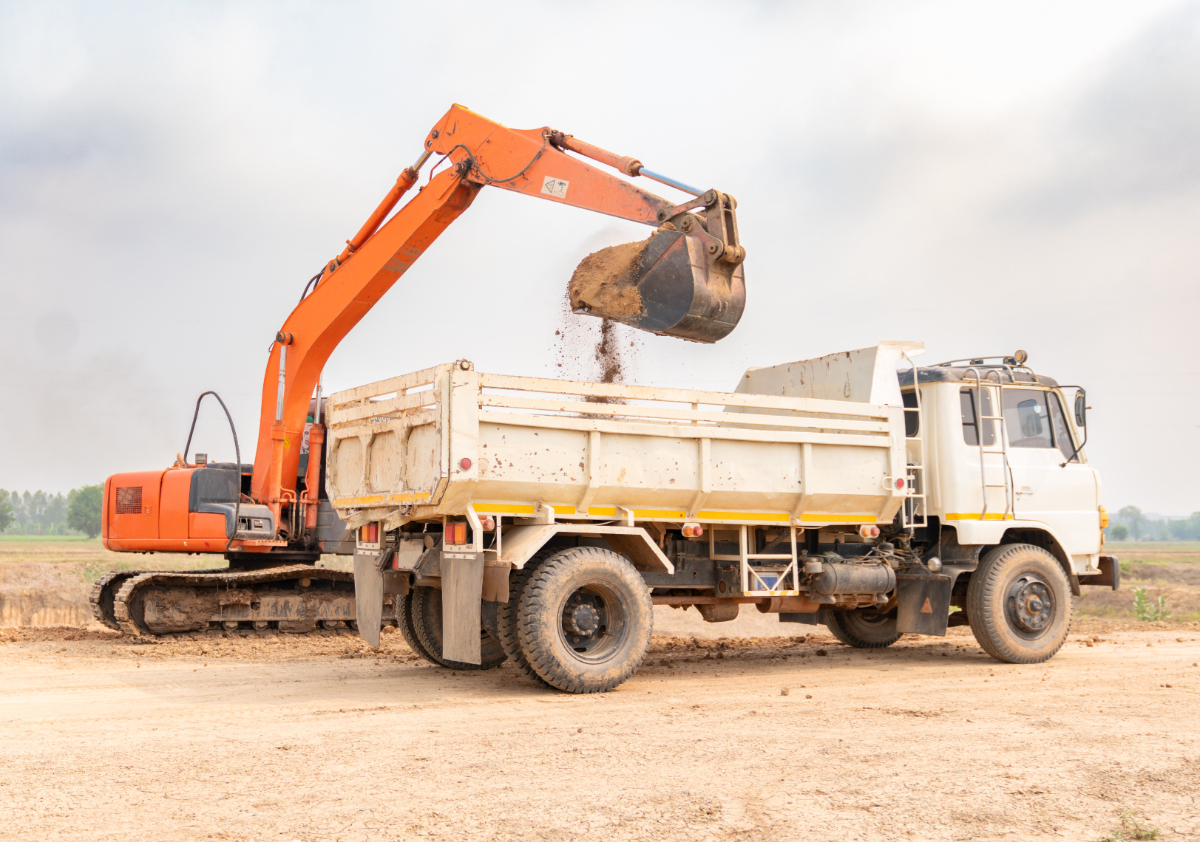
HF Grab Hire provides Grade A and Grade B topsoil delivery services throughout Croydon, Crawley and Sutton. We aim to help you choose the right soil for your needs and deliver it directly to your home, site, or project area.