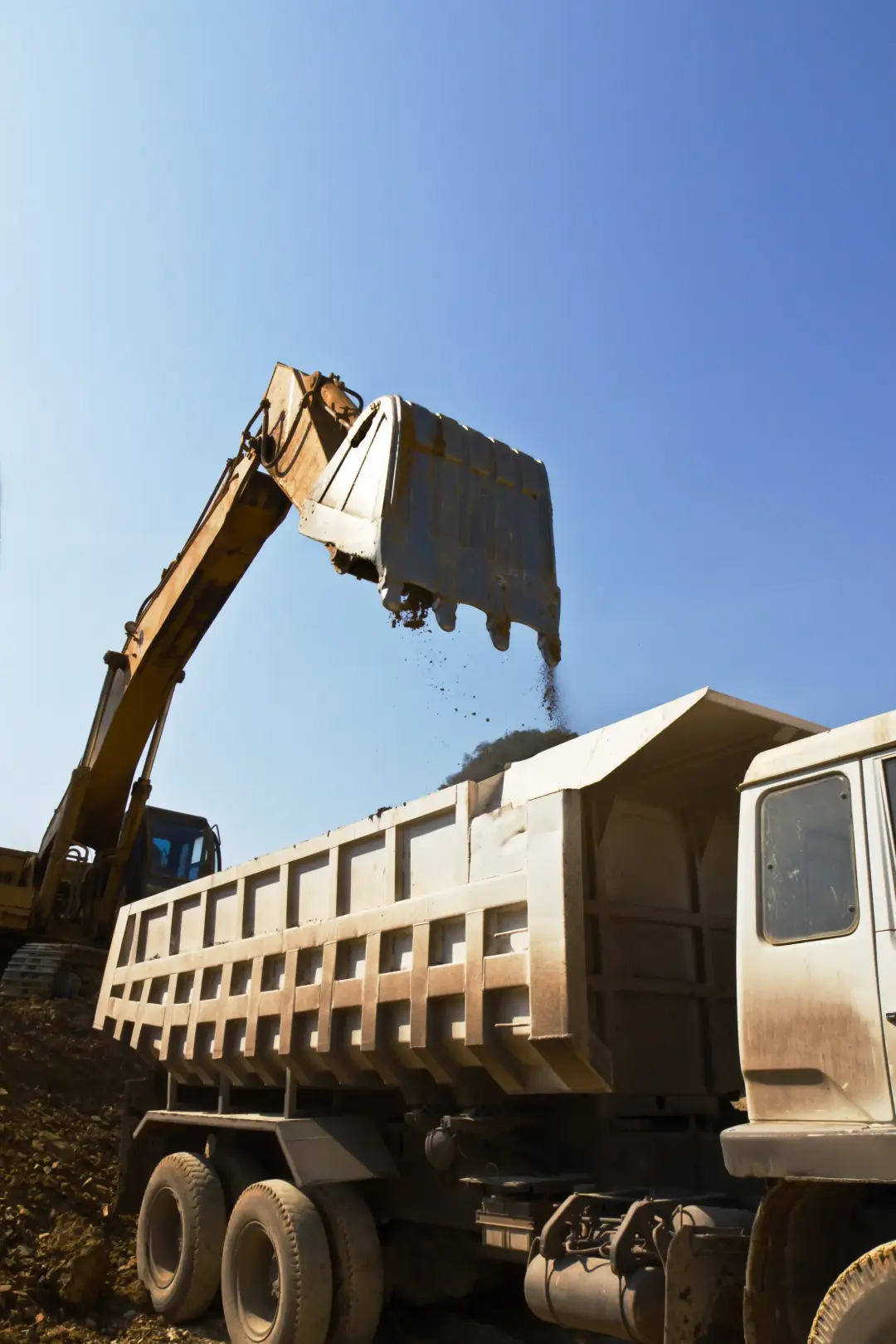
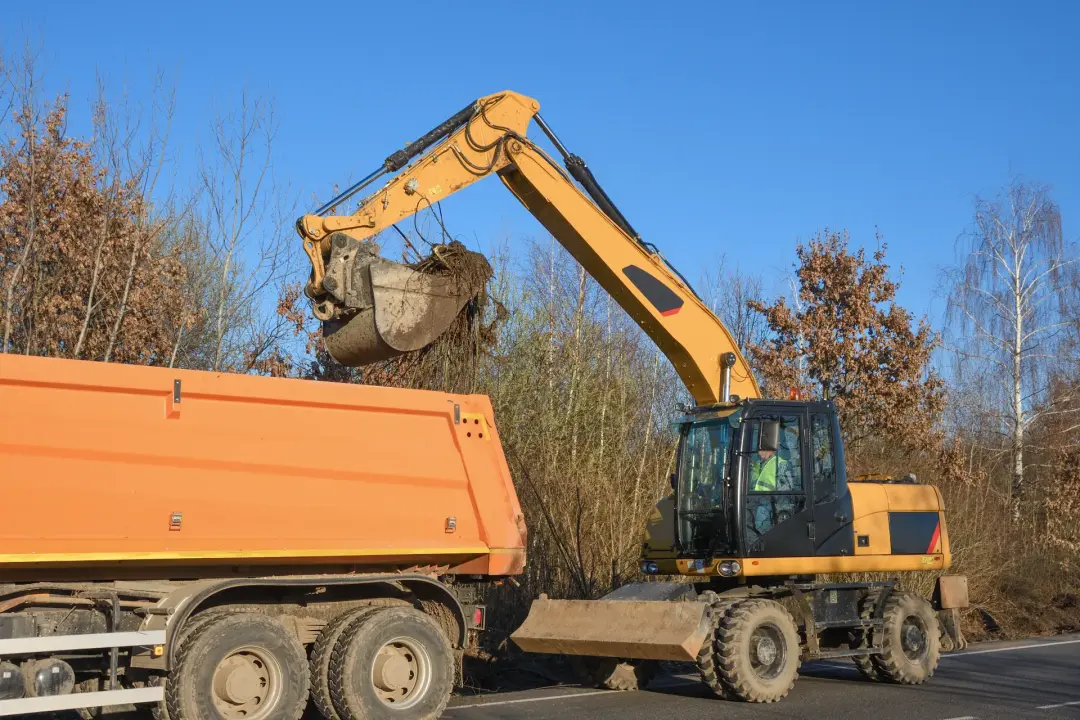
Why choose a grab lorry for site clearance? Grab hire services offers quick waste removal, minimising disturbance and handling bulky materials with ease. Perfect for busy sites!
How Does a Grab Lorry Help With Site Clearance?
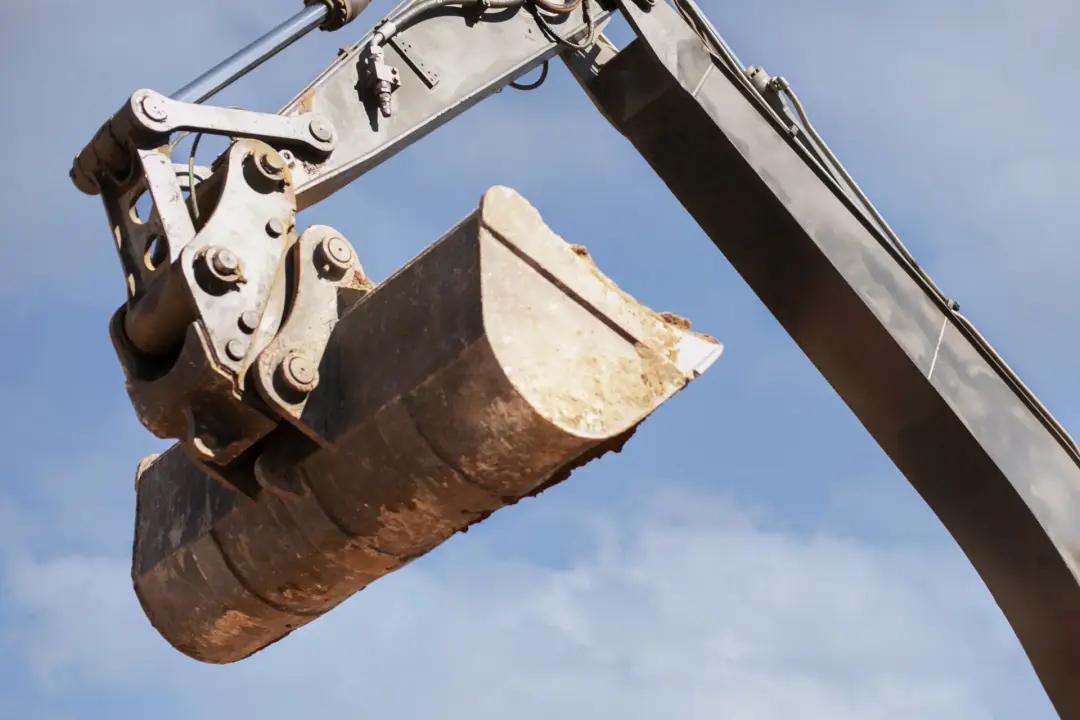
A grab lorry helps with site clearance by collecting loose materials directly from prepared piles. Its hydraulic arm reaches towards the waste, while the grab bucket closes around the material and lifts it into the vehicle body.
The vehicle handles loading and transport during the same visit. There is usually no need to arrange a separate loader, leave a skip on site or rely on workers to lift all the waste manually. This reduces the number of separate activities involved.
Grab lorries can be used at different stages of clearance. They may remove vegetation and surface waste first, collect soil after excavation and return later for rubble or broken hard surfaces. Staged collections keep each part of the work manageable.
The service is most effective when the waste has been sorted and placed within reach. A clear loading zone allows the driver to work safely and helps prevent unsuitable materials from entering the load. Careful preparation turns the lorry into an efficient part of the clearance process.
Faster Waste Removal
Speed is important during site clearance because other work often cannot begin until unwanted material has gone. A hydraulic grab can lift large amounts of waste with each movement, allowing the vehicle to load much faster than a team using hand tools.
Fast removal can be particularly useful when clearing rubble or excavated soil. These materials are dense and tiring to handle. Mechanical lifting collects them directly from the pile without repeated wheelbarrow trips across the site.
The lorry normally leaves once loading is complete. Unlike a skip, it does not need to remain in position until a later collection date. The cleared area can therefore be used immediately for machinery, storage or new construction work.
Collection speed still depends on good access and preparation. Mixed waste may need to be sorted before loading, and parked vehicles or equipment can delay positioning. Preparing the pile and route in advance allows the driver to complete the collection with fewer interruptions.
Reduced Need for Manual Labour
Large clearance jobs can require many hours of lifting, shovelling and carrying. Workers may need to move soil, bricks and stones over long distances before loading them into a container. This uses labour that may be needed for demolition, groundwork or preparation.
A grab lorry reduces this work by lifting the pile mechanically. The bucket collects loose materials and deposits them directly into the vehicle. Workers mainly need to gather waste into a reachable location and remove anything that cannot be accepted.
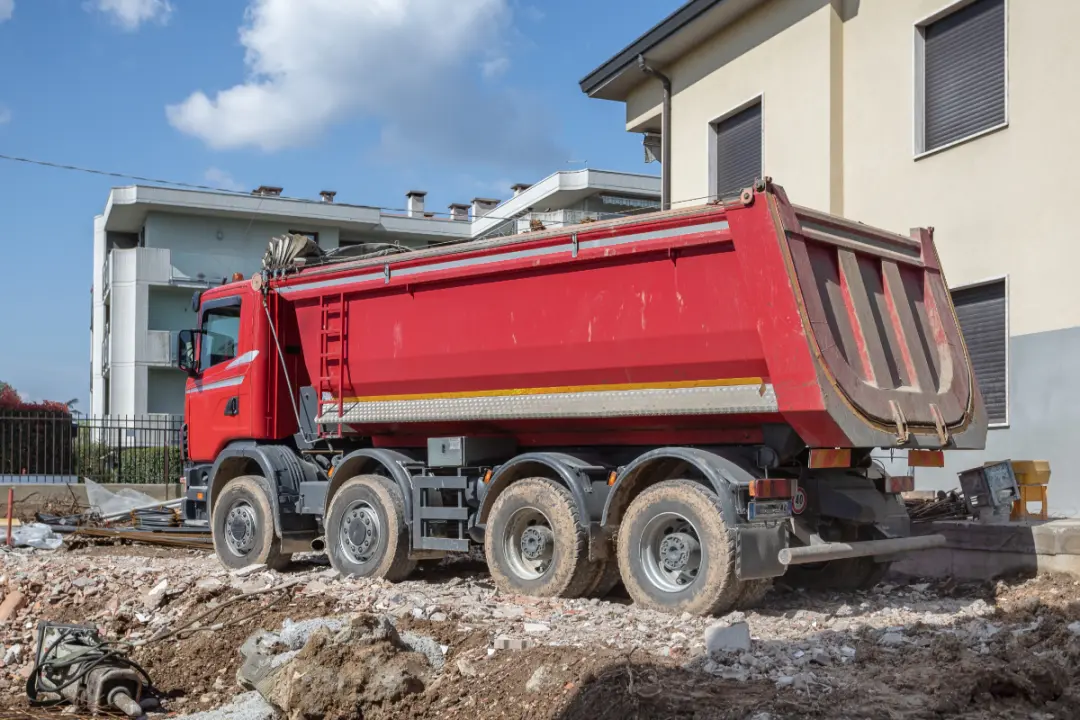
This can reduce physical strain, especially when the materials are wet, dense or irregularly shaped. Fewer repeated lifting movements may help workers avoid tiredness and remain focused on tasks that require more care or skill.
Manual work is not removed completely, as the site will still need some sorting, supervision and plenty of safe preparation.
However, the most demanding loading activity is handled by the machine. This can make the clearance process easier to manage with a smaller site team.
Removing Large Volumes in One Visit
Site clearance can produce a large amount of waste within a short period. Grab lorries have substantial carrying bodies, allowing them to remove sizeable piles during one visit. This may eliminate the number of small collections needed.
A larger collection can free a wide working area quickly. Instead of leaving several containers across the site, waste is gathered into a planned location and removed once ready. This supports a cleaner and more open layout.
The amount carried depends on the material. Heavy soil, clay and concrete may reach the legal weight limit before the body is full. Lighter green waste may fill the available space without reaching the same weight.
Estimating the pile carefully helps avoid surprises. Measurements and photographs can show its general size, while the material description helps the provider consider density. Very large clearance projects may still require several loads, but each visit can remove a significant quantity.
Collecting Soil, Rubble and Hardcore
Soil, rubble and hardcore are often the main materials produced during site clearance. Soil may be removed to change levels or prepare foundations, while rubble can remain from old buildings, walls and paved areas. Hardcore may come from broken concrete, bricks and stone.
These materials are suitable for a grab bucket because they are loose and strong enough to be lifted without special packaging. The driver can collect them from a prepared pile and place them directly into the lorry body.
Sorting your waste is incredibly important, especially when dealing with commercial waste. Clean soil should be kept separate from rubble where possible, and both should be free from general rubbish. Plasterboard, insulation, timber, plastics and hazardous waste may require different collection arrangements.
Contaminated ground needs lots of special care. Soil containing chemicals, fuel, asbestos or other harmful substances should not be treated as an ordinary load. The provider must be informed so that testing, documentation and an appropriate disposal route can be arranged.
Reaching Waste Over Walls and Fences
Clearance sites may have walls, fencing, locked gates or planted boundaries that prevent vehicles from reaching the waste pile. A grab lorry can usually remain outside the premises and extend its arm over the obstacle to collect the material.
This reduces the need to create a temporary vehicle entrance, especially if your site is small. It may also avoid damage to driveways, gardens or soft ground that would not support a heavy lorry. Waste can be lifted from inside the boundary while the vehicle stays on a suitable surface.
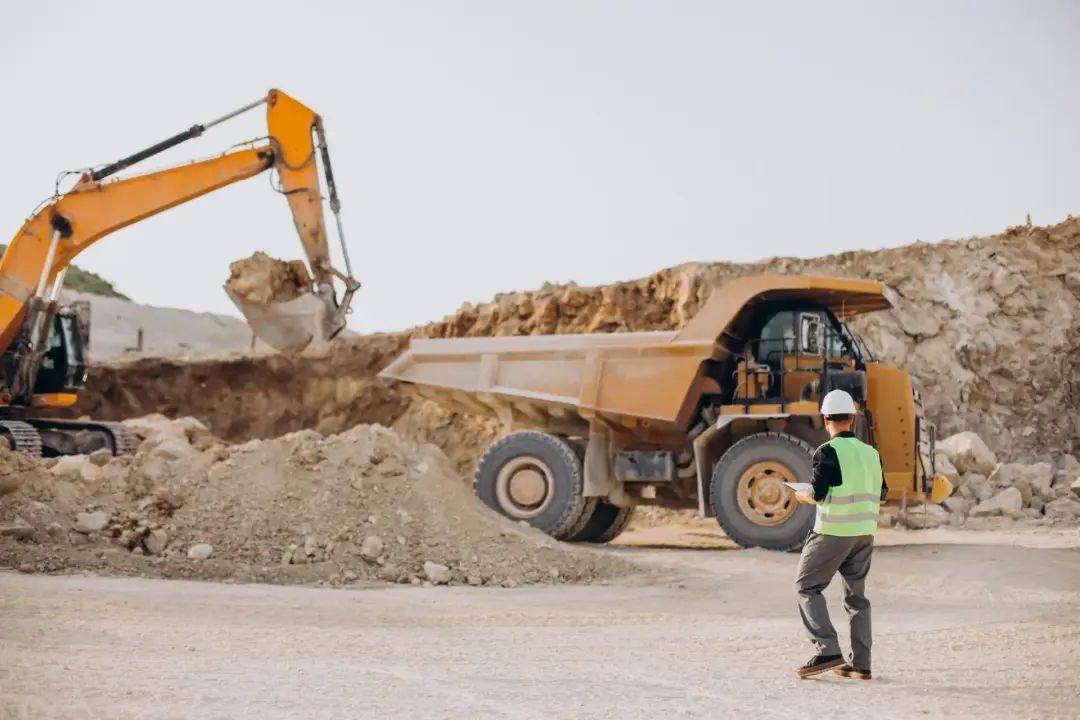
The barrier must be low enough and the pile close enough for the arm to reach. The driver also needs clear overhead space and a safe view of the bucket. High walls, deep gardens or hidden piles may be unsuitable.
Site photographs and measurements should be supplied before booking. The provider can assess the likely reach and choose an appropriate vehicle.
Waste should be placed near the collection point but not against a structure that could be damaged by pressure or movement.
Keeping the Site Clear and Organised
A clear site is easier to inspect, measure and prepare. Waste piles can hide uneven ground, old foundations or other features that need attention. Removing materials in stages gives the team a better view of the area.
Organisation also makes sorting easier. Separate zones can be used for soil, rubble, green waste, metal and timber. Clearly divided piles reduce contamination and help each material follow the most suitable collection and treatment route.
Access routes should remain open throughout the clearance project. Workers, machines and collection vehicles need room to move without crossing unstable piles. Plenty of grab lorry visits throughout your project can prevent waste from spreading into these routes.
A site clearance plan should identify where waste will be stored and when it will leave. This avoids placing material in areas needed later. Planned removal creates a steady process in which each cleared section becomes available for the next task.
Improving Safety During Clearance Work
Unmanaged waste can make a clearance site unsafe. Broken concrete may have sharp edges, timber may contain nails and unstable piles can shift without warning. Clearing these materials reduces the number of hazards within the working area.
Grab lorries also limit the amount of direct handling you need on site. Workers do not need to lift every heavy object or climb onto a skip to arrange the load. The hydraulic arm performs the main lifting from a controlled operating position.
The loading zone must be kept completely clear while the arm is moving. No one should stand beneath the bucket or enter the area between the vehicle and waste pile. The site team should always follow the driver’s directions throughout the operation.
Other risks include overhead cables, weak ground and nearby traffic. These must be assessed before work begins. Safe positioning, clear barriers and good communication allow the vehicle to support clearance without introducing avoidable danger.
Saving Time on Construction Projects
Construction cannot always begin while old materials remain on the site. Waste may cover foundation areas, block survey points or prevent machinery from entering. Grab lorry clearance removes these obstructions so preparation can move forward.
The mechanical arm speeds up loading, particularly for soil and rubble. Workers do not need to spend several days filling skips or moving waste through narrow routes by hand. The collected material leaves as soon as the lorry is fully loaded with the waste from your site.
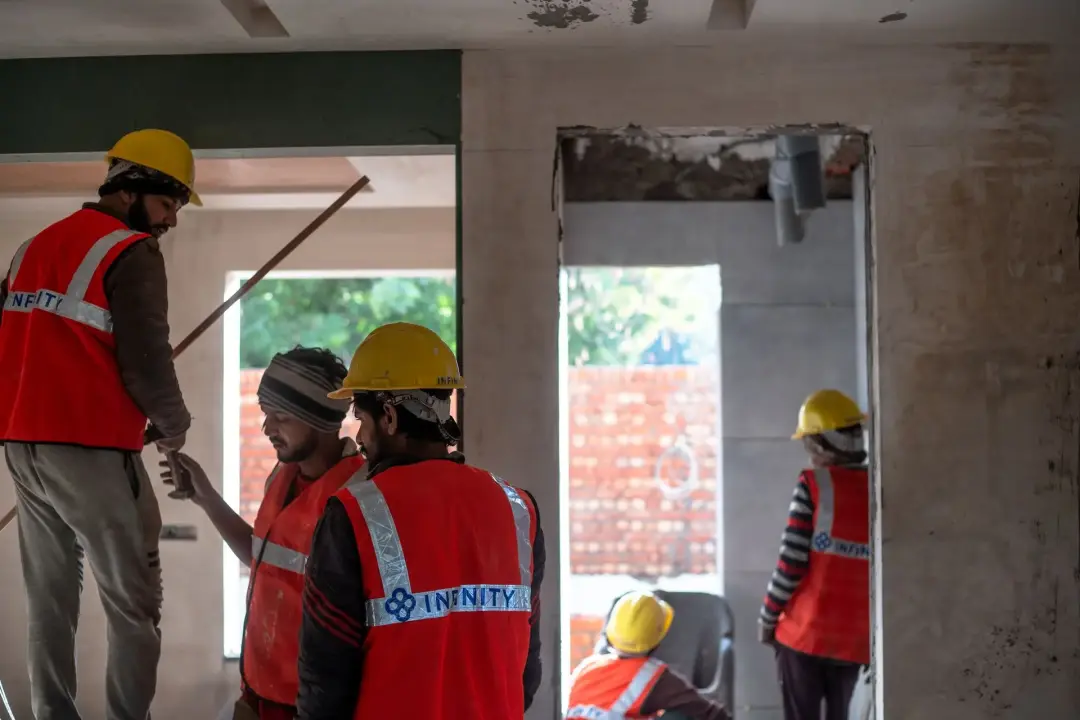
Staged clearance can also save you lots of time later on. Removing each waste type before the next activity is carried out, limits the need to move piles repeatedly, one after the other. Once an area is cleared, it can be marked, excavated or used for storage.
Collection dates should be linked to the construction programme. The team needs enough time to prepare the pile without allowing it to remain for too long.
Well-timed grab visits help turn clearance into a planned project stage rather than an unexpected delay.
Reducing Labour and Equipment Costs
Traditional site clearance may require a loading machine, operator, several labourers and one or more containers. Each element adds cost and requires coordination. A grab lorry combines mechanical loading and transport within one service.
The hydraulic arm may remove the need for a separate digger or loader when waste is already piled within reach. This can reduce hire charges, fuel use and the space needed for additional machinery.
Labour costs may also fall because fewer workers are required for loading. The site team can focus on sorting, demolition or groundwork instead of spending paid hours shovelling and carrying waste into a skip.
The lowest collection price is not always the lowest total cost. Travel, labour, permits, equipment and delays should all be considered. A grab lorry can provide better overall value when it removes a large prepared pile quickly and without extra loading arrangements.
Grab Lorry Hire vs Skip Hire
Skips can be placed at the site and gradually filled over a period of time. This gives workers flexibility when waste is produced gradually. However, the skip requires storage space and normally needs to be loaded by hand or with separate machinery.
A grab lorry is more suited to loose waste that is ready for collection. It arrives with its own loading arm and leaves once the material is completely collected. This frees the area immediately and avoids needing to keep a container on site.
Grab lorries can also reach over walls and fences, while a skip usually needs a direct delivery position. This makes grab collection useful where the waste pile is accessible by arm but not by the full vehicle.
A skip placed on a public road in England or Wales normally requires a council permit. Grab lorries may avoid this requirement because they do not remain on the highway, although parking and traffic restrictions can still affect its operation.
Do You Need a Permit for a Grab Lorry?
A standard grab collection does not usually need a skip permit. The lorry arrives for a temporary loading operation and leaves with the waste. It does not normally occupy the road for several days.
Other permissions may still be necessary. A lorry operating on a controlled road could require a parking suspension, traffic management or approval for temporary access. The exact position and length of the collection affect what is needed.

Collections carried out entirely on suitable private land are often more straightforward. The landowner must give permission, and the access route must be safe for the vehicle. Public roads and pavements should not be blocked without proper authority.
Local requirements differ, so the collection provider and council should be consulted when there is uncertainty. The waste carrier must also hold the correct registration for transporting waste.
In England, this can be checked through the Environment Agency’s public register.
Suitable Sites for Grab Lorry Clearance
Grab lorries can support clearance at construction plots, renovation sites, commercial properties, gardens, farms and development land. They are particularly useful where loose, heavy waste has already been gathered into piles.
Residential sites may benefit during extension work, driveway replacement or major landscaping. The lorry can typically collect from a front garden or over a low boundary without remaining at the property after loading.
Larger commercial and construction sites may use repeated collections. Soil, rubble and vegetation can be removed in separate stages as different areas are cleared. This helps maintain access for plant, delivery vehicles and workers.
Suitability depends more on access and waste type than site size. Clear roadside piles may be easy to collect, whereas a large open site could still have unsuitable ground or overhead hazards. An access assessment should therefore be completed before booking.
Access Requirements to Consider
The lorry needs enough road or site width to approach and position safely. Tight corners, narrow gateways, parked cars and restricted entrances can prevent access. The vehicle must also have room to leave without damaging property or soft ground.
Surface strength is important because a loaded grab lorry is very heavy. Weak paving, small drainage covers, lawns and waterlogged ground may not support it. A firm road, yard or reinforced driveway is usually more suitable.
The arm needs a clear operating area. Power lines, tree branches, scaffolding and building edges can stop the bucket from reaching the pile. The driver must not work close to overhead hazards that could be struck.
Customers should provide photographs, measurements and details of any access limits. Moving vehicles, unlocking gates and clearing equipment before arrival can save time. Making sure you have a clear site plan is the way to ensure you have the best chance of choosing the right vehicle and collection position.
How Much Waste Can a Grab Lorry Carry?
Capacity varies between vehicles. Some grab lorries are designed for smaller sites, while larger models can carry a considerable volume. The provider should confirm the body size and legal payload before the collection.
Weight is usually the main limit during clearance. Wet soil, concrete, clay and stone are dense materials. The lorry may reach its permitted weight even when there is visible space above the load.
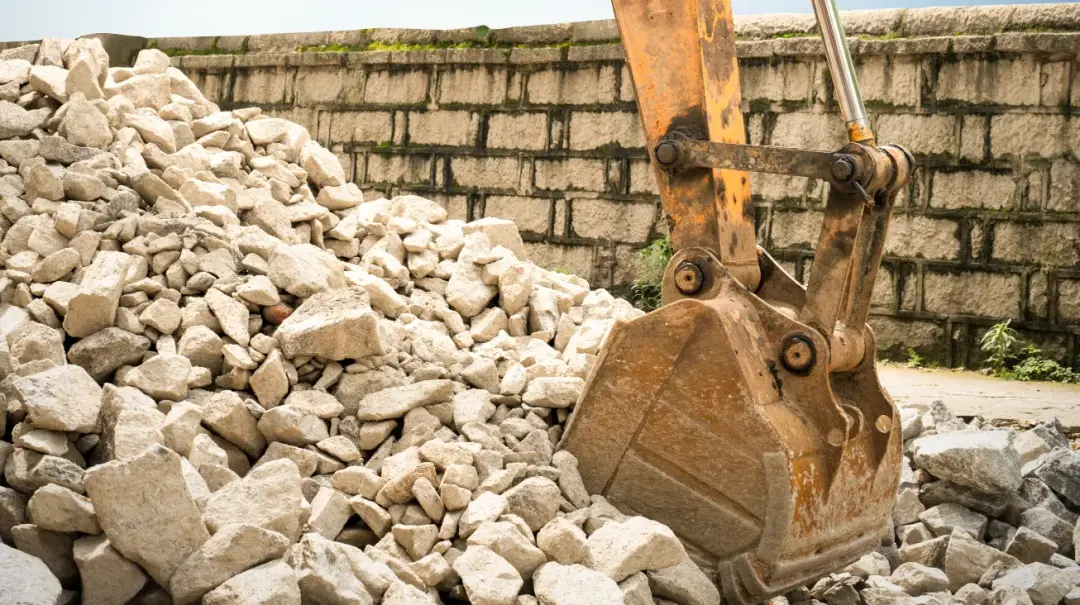
Bulky green waste behaves differently. Branches, roots and hedge cuttings may take up more body space while weighing less. Breaking or cutting oversized pieces can sometimes help them fit more efficiently, provided the provider agrees.
Pile measurements can give a rough volume, but they do not show density accurately. Photographs and an honest material description improve the estimate.
Several loads may be required where waste is wet, tightly packed or spread across a large site.
Preparing Waste Before Collection
Waste should be sorted before the grab lorry arrives. Soil, rubble, green waste, timber and general rubbish should be placed in separate piles where possible. Sorting supports correct disposal and prevents an entire load from being treated as mixed waste.
The collection pile should be within reach of the planned vehicle position. It should not be under cables, beside parked cars or against a weak wall. The ground around it should allow the bucket to open and close without striking other objects.
Any prohibited or specialist materials must be removed from your site. Asbestos, chemicals, batteries, gas cylinders, liquids and contaminated waste should not be hidden inside an ordinary pile. Such materials need suitable assessment and may even need their own separate collection, depending on how hazardous the material.
Access must be ready at the agreed time. Gates should be open, vehicles moved and workers informed about the loading zone. Good preparation will reduce your waiting time, support safer operation and help the driver collect as much of the pile as legally possible.
Responsible Waste Disposal
Waste removed during site clearance should be transferred only to an authorised carrier. In England, businesses that regularly transport waste must normally register with the Environment Agency. The registration can be checked on the official public register.
The person arranging the collection should give an accurate description of the waste, and this typically includes identifying mixed materials, possible contamination and anything requiring specialist handling. Clear information helps prevent unsafe transport or rejection at the receiving facility.
Business waste movements generally require suitable transfer records. These identify the waste, collection point and parties involved. The duty of care continues when waste is handed to another business, so records should be completed and kept as required.
Sorting materials can increase the amount recovered or recycled. Clean concrete may be crushed, metals may be separated and green waste may be processed. Keeping loads free from contamination gives receiving facilities more options than they have with unsorted waste.
Can Grab Lorries Deliver Materials Too?
Many grab lorry services can supply loose materials as well as remove waste. Deliveries may include topsoil, sand, gravel, crushed concrete and other aggregates. This can support groundwork, drainage, landscaping and construction after clearance is complete.
The arm may place material more carefully than an ordinary tipper. Where conditions allow, it can reach over a low wall or position the load closer to the working area. This limits the distance the site team must move it later.
A combined service may improve planning. A vehicle could deliver material during one stage and collect suitable waste during another. The exact arrangement depends on load safety, waste rules and the services offered by the provider.
The delivery location must be firm, clear and large enough for the quantity ordered. The customer should confirm the required material and its intended use before booking. Correct preparation prevents the new delivery from blocking access or becoming mixed with waste still waiting for collection.
Our grab lorries can grab and collect large volumes of waste quickly and efficiently. Whether it's for construction, landscaping, or site clearance, we provide practical, time-saving waste removal solutions that are tailored to your project. Contact us today for grab lorry hire in Croydon, Crawley or Sutton.